


Japan has a long tradition of “regional local sweets,” with each area offering its own unique flavors, ingredients, and history. For travelers, these treats become memorable souvenirs that represent the region they visited. For overseas buyers, regional Japanese sweets are attractive, high-value products with strong local identity and reliable demand.
In particular, souvenir sweets that are shelf-stable and can be stored at room temperature are extremely popular among both travelers and importers. They are easy to carry, easy to ship, and often come in beautifully designed packages.
This guide introduces a curated selection of Japan’s most popular long-lasting regional sweets, organized by area.
Why Regional Japanese Sweets Are Popular Overseas
Japanese regional sweets are loved globally for several clear reasons:
1. Unique ingredients and regional stories
Hokkaido dairy, Fukushima butter, Okinawa brown sugar — each region’s ingredients create a sense of “authenticity” that adds gift value.
2. Beautiful packaging perfect for souvenirs
Designs featuring landscapes, local icons, or traditional motifs make these sweets easy to choose and fun to give.
3. Long shelf life and room-temperature storage
This makes them extremely convenient for international travelers.
For buyers and importers, stable shelf life means easier logistics and stocking.
4. Limited and region-specific availability
Many items are only sold in certain areas or stores, giving them strong collectible value and making them ideal for cross-border e-commerce.
Regional Japanese Sweets — Popular Brands by Area
Hokkaido Area
Shiroi Koibito (ISHIYA)
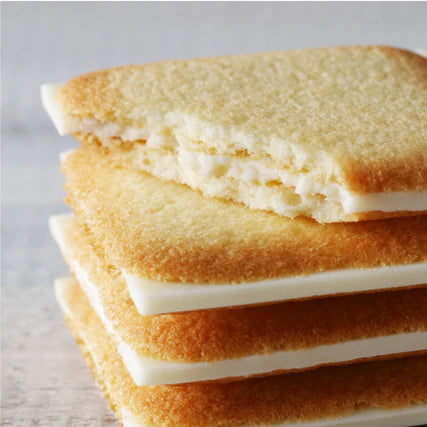
A legendary Hokkaido souvenir and one of Japan’s most recognized sweets worldwide.
These langue-de-chat cookies sandwich smooth white chocolate with an elegant balance of flavor.
Their consistent quality and luxurious taste make them a top choice for travelers and gift buyers alike.
Shelf Life: 90+ days
Why it’s popular overseas: The pure white packaging evokes the snowy image of Hokkaido.
Official Website: https://www.ishiya.co.jp/
Jaga Pokkuru (Calbee Hokkaido)
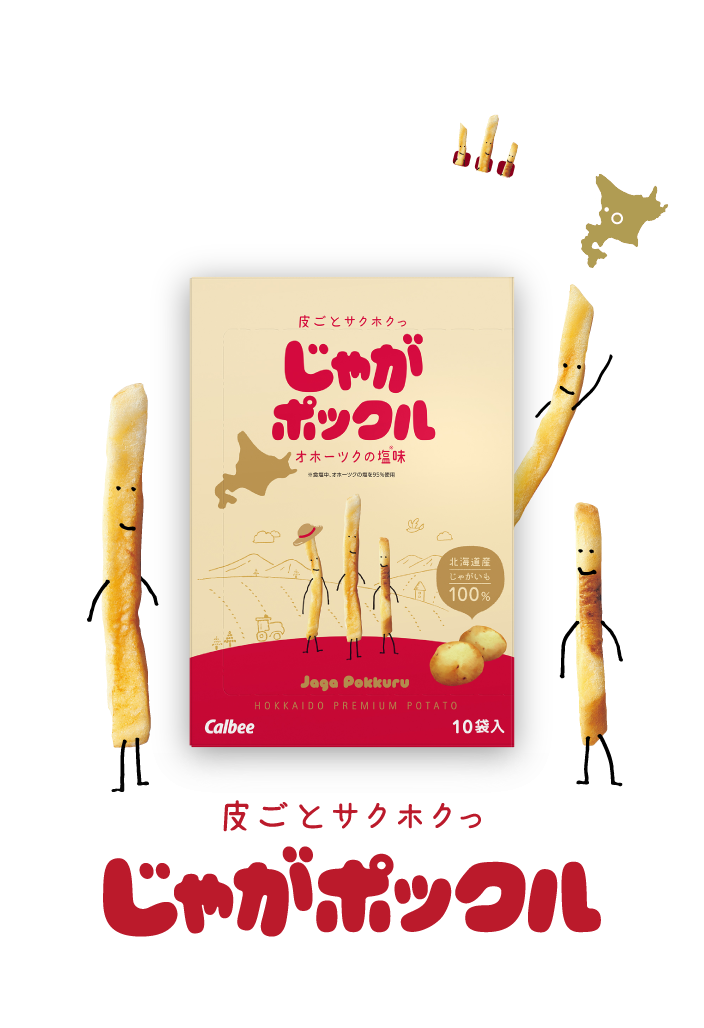
A Hokkaido-exclusive potato snack made only in Calbee’s local factory.
The natural potato flavor and light saltiness make it a favorite among visitors.
Shelf Life: ~3 months
Why it’s popular overseas: Strong “Hokkaido potato” branding.
Official Website: https://www.calbee.co.jp/
Marusei Butter Sandwich (Rokkatei)

A rich butter-cream sandwich with raisins, made using Hokkaido dairy.
Though the shelf life is around 10 days, it is still safe for travelers and highly sought after due to its premium taste.
Shelf Life: ~10 days
Why it’s popular overseas: A luxurious, old-fashioned raisin-butter flavor.
Official Website: https://www.rokkatei.co.jp/
Tohoku Area
Mamador (Fukushima – Sanmangoku)

Soft baked milk-paste sweets wrapped in a gentle, buttery dough.
Its nostalgic flavor and cute packaging appeal strongly to international customers.
Shelf Life: ~10 days
Official Website: https://www.mamangoku.co.jp/
Kamome no Tamago (Iwate – Saitō Seika)

A moist bean-paste sweet coated in smooth white chocolate.
Seasonal flavors and its adorable egg shape make it popular as a gift.
Shelf Life: ~30 days
Official Website: https://www.saitoseika.co.jp/
Hagi no Tsuki (Miyagi – Sanzen)

A soft sponge cake filled with custard cream, representing Sendai’s signature sweet.
It keeps for around 10 days at room temperature, making it ideal for travelers.
Shelf Life: ~10 days
Official Website: https://www.sanzen.co.jp/
Kanto Area
Tokyo Banana
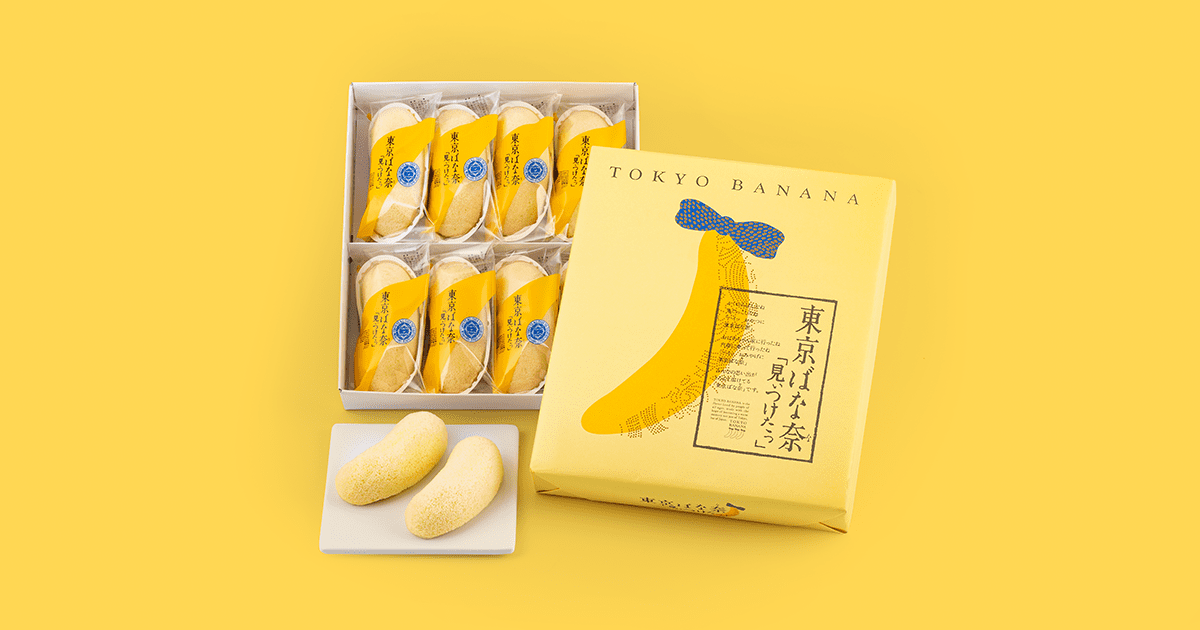
A world-famous Japanese souvenir, now considered a staple “Tokyo gift.”
Comes in many regional and limited editions, such as caramel, coffee, and animal patterns.
Shelf Life: 7–10 days
Official Website: https://www.tokyobanana.jp/
Hiyoko
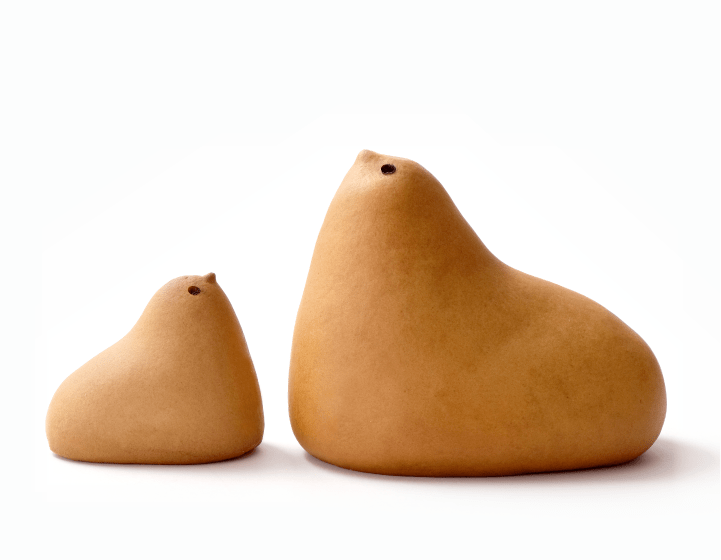
Originally from Fukuoka but widely sold in Tokyo as well, this chick-shaped sweet is beloved for its gentle flavor and cute appearance.
Shelf Life: ~20 days
Official Website: https://www.hiyoko.co.jp/
Toraya Yokan (Limited Packaging Editions)

Toraya is one of Japan’s most prestigious traditional confectionery brands.
Its yokan (sweet bean jelly) has extremely high shelf stability and strong recognition among overseas fans.
Shelf Life: About 1 year
Official Website: https://www.toraya-group.co.jp/
Chubu Area
Shingen Mochi (Yamanashi – Kikyo Shingen Mochi)

A traditional sweet served with kinako (soybean flour) and kuro-mitsu syrup.
The standard boxed version is shelf-stable and popular among foreign travelers for its unique “assembly-style” eating experience.
Shelf Life: ~12 days
Official Website: https://www.kikyouya.co.jp/
Nagoya Uiro (Room-temperature type)
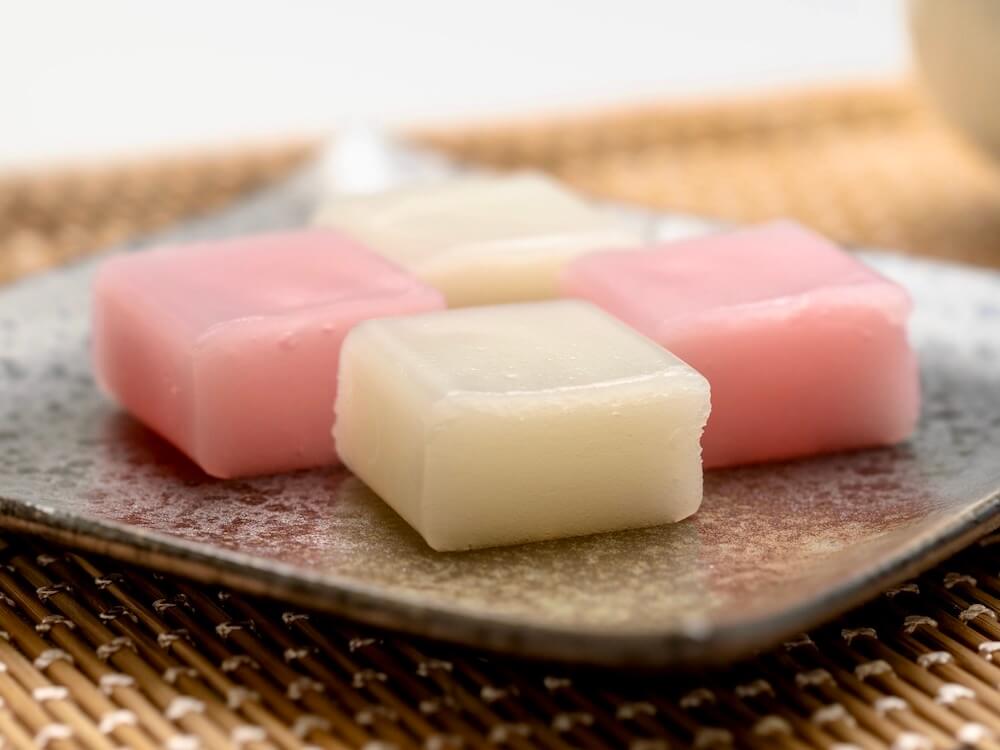
A traditional steamed sweet made from rice flour, known for its chewy texture.
Its simple flavor appeals to fans of Japanese traditional confectionery.
Shelf Life: ~20 days
Official Website: https://www.aoyagi-uiri.co.jp/
Kaga Bocha Sweets (Kanazawa)
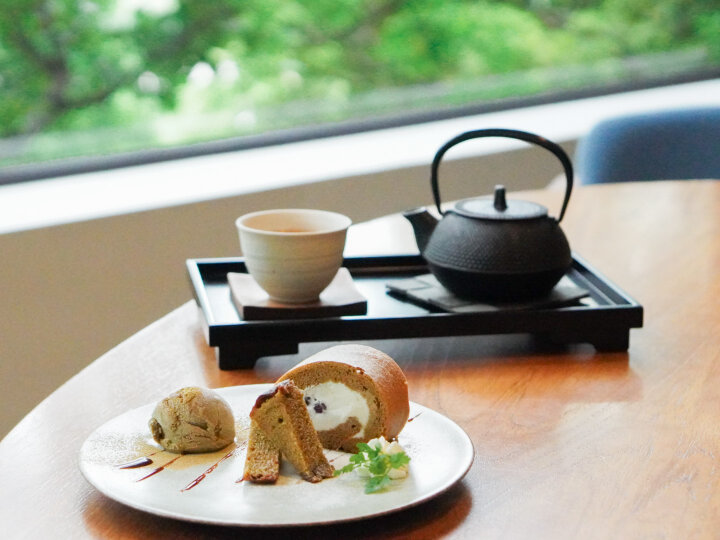
Baked sweets using roasted stem tea (“bocha”), a specialty of Ishikawa Prefecture.
Recommended for tea lovers and fans of Japanese flavors.
Shelf Life: 2+ weeks
Official Website: Varies by maker
Kansai Area
Senju Senbei (Kogetsu – Kyoto)
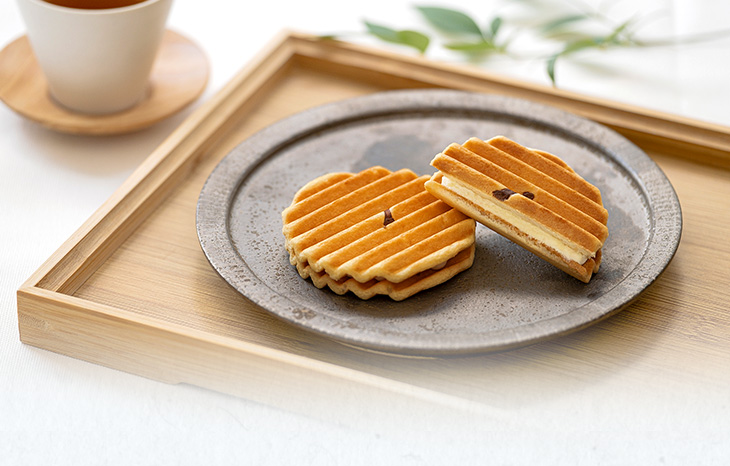
A refined sandwich cookie with wave-shaped wafers and creamy filling.
Light, elegant, and universally appreciated — perfect for any recipient.
Shelf Life: ~30 days
Official Website: https://kogetsu-ec.com/
Yaki Yatsuhashi (Kyoto)
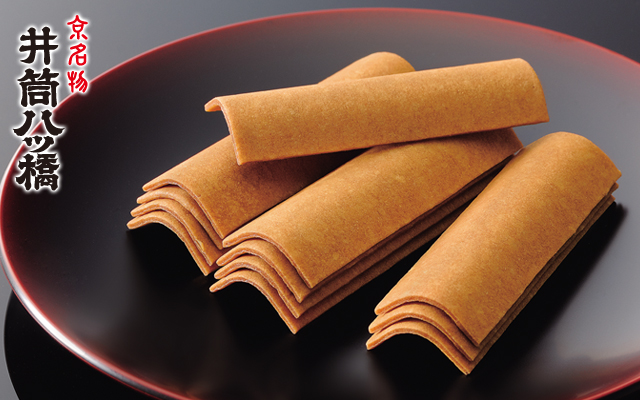
A crispy cinnamon-flavored Kyoto classic.
Only the baked version is included here; fresh nama-yatsuhashi has a short shelf life.
Shelf Life: ~2 months
Official Website: https://www.honke-yatsuhashi.co.jp/
Kyushu & Okinawa Area
Tirolian (Fukuoka – Chidoriya)
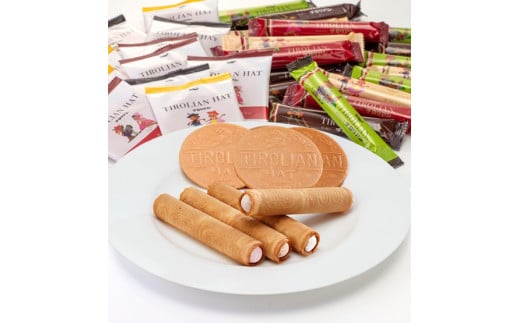
A beloved retro-style cookie roll filled with light cream.
Its lightweight and durable structure make it ideal for sharing.
Shelf Life: ~90 days
Why it’s popular overseas: Easy to transport, individually wrapped.
Official Website: https://www.chidoriya.co.jp/
Hakata Torimon (Fukuoka – Meigetsudo)

One of the most famous sweets in Japan.
A fusion of Western butter aroma with Japanese white bean paste, creating a rich, soft texture that fascinates visitors.
Shelf Life: ~2 weeks
Why it’s popular overseas: A unique blend of Western and Japanese sweetness.
Official Website: https://www.meigetsudo.co.jp/
Karukan (Kagoshima)

A traditional steamed cake made with Japanese yam and rice flour.
Light, mildly sweet, and surprisingly long-lasting — great for travelers.
Shelf Life: ~1 month
Official Website: (Varies by maker)
Chinsuko (Okinawa)
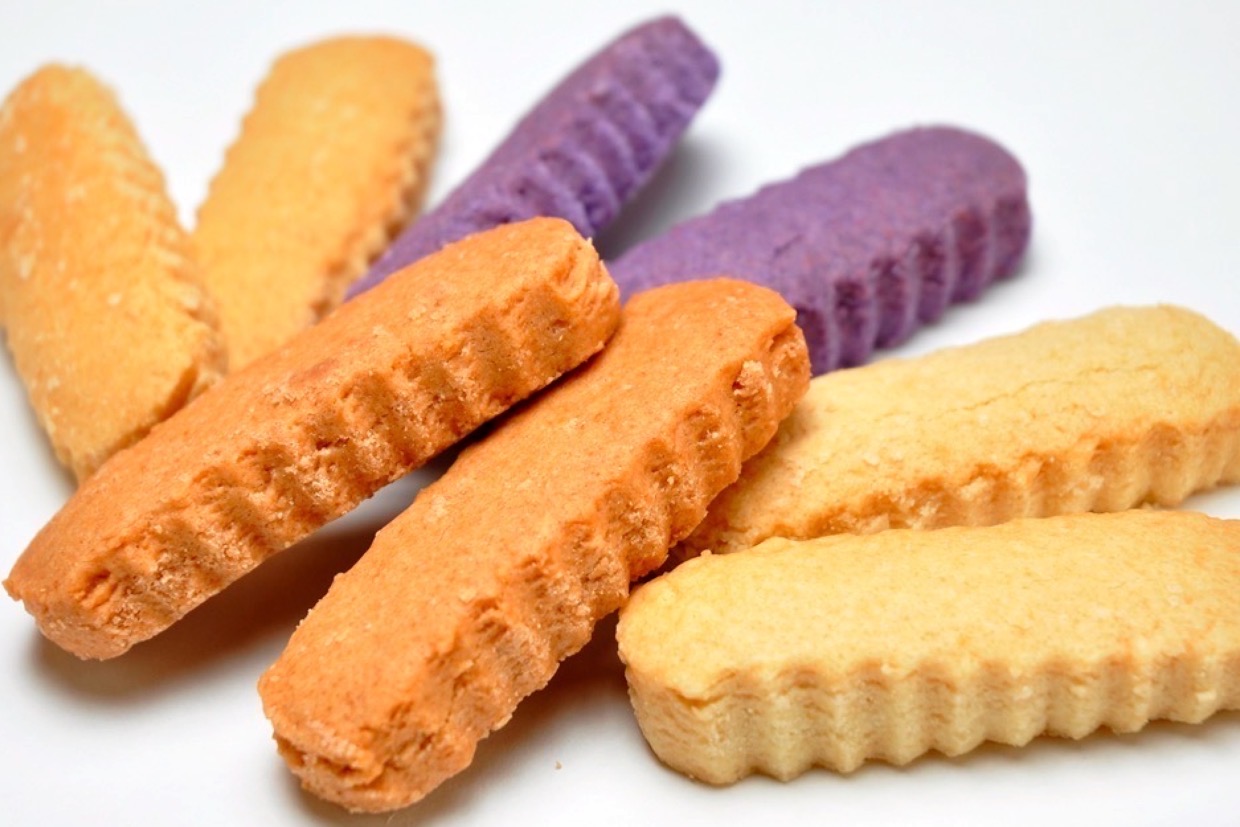
A classic Okinawan shortbread with a crumbly texture.
Available in many tropical flavors such as brown sugar, purple sweet potato, and citrus.
Shelf Life: ~90 days
Why it’s popular overseas: Simple taste + tropical vibes.
Beniimo Tart (Okashigoten – Okinawa)
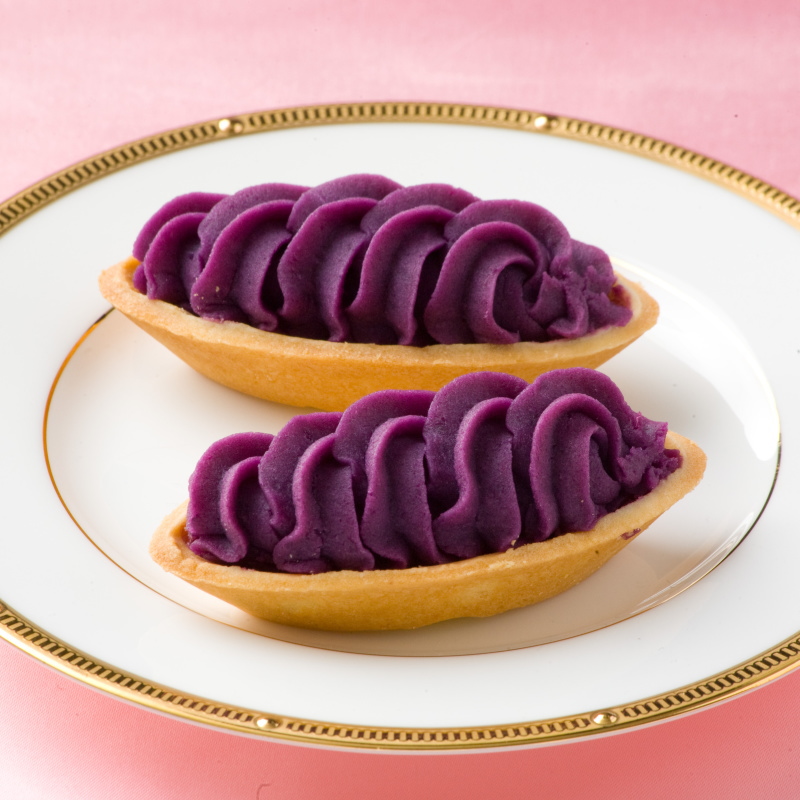
Made with Okinawan purple sweet potatoes, featuring a vibrant purple color and a mildly sweet flavor.
Individually wrapped and perfect for souvenirs.
Shelf Life: ~30 days
Why it’s popular overseas: Unique color, taste, and “Okinawa identity.”
Official Website: https://www.okashigoten.co.jp/
Conclusion — Japan’s Regional Sweets Are Perfect for Travelers & International Buyers
Japanese regional sweets offer a delightful mix of regional culture, storytelling, and craftsmanship.
The shelf-stable souvenir sweets introduced here are particularly suitable for travelers, thanks to their durability and elegant packaging.
For overseas buyers, their long shelf life, strong brand recognition, and consistent quality make them reliable import items.
Hokkaido’s Shiroi Koibito, Tohoku’s Mamador and Kamome no Tamago, Tokyo Banana, Kyoto’s Senju Senbei, Hakata Torimon, and Okinawa’s Chinsuko — each is a beloved long-time bestseller with strong appeal in global markets.
Whether you’re shopping during your trip or sourcing products for international sales, Japanese regional sweets offer excellent variety and exceptional gifting value. Enjoy exploring these local specialties and discover your personal favorites on your next trip to Japan!

コメント