


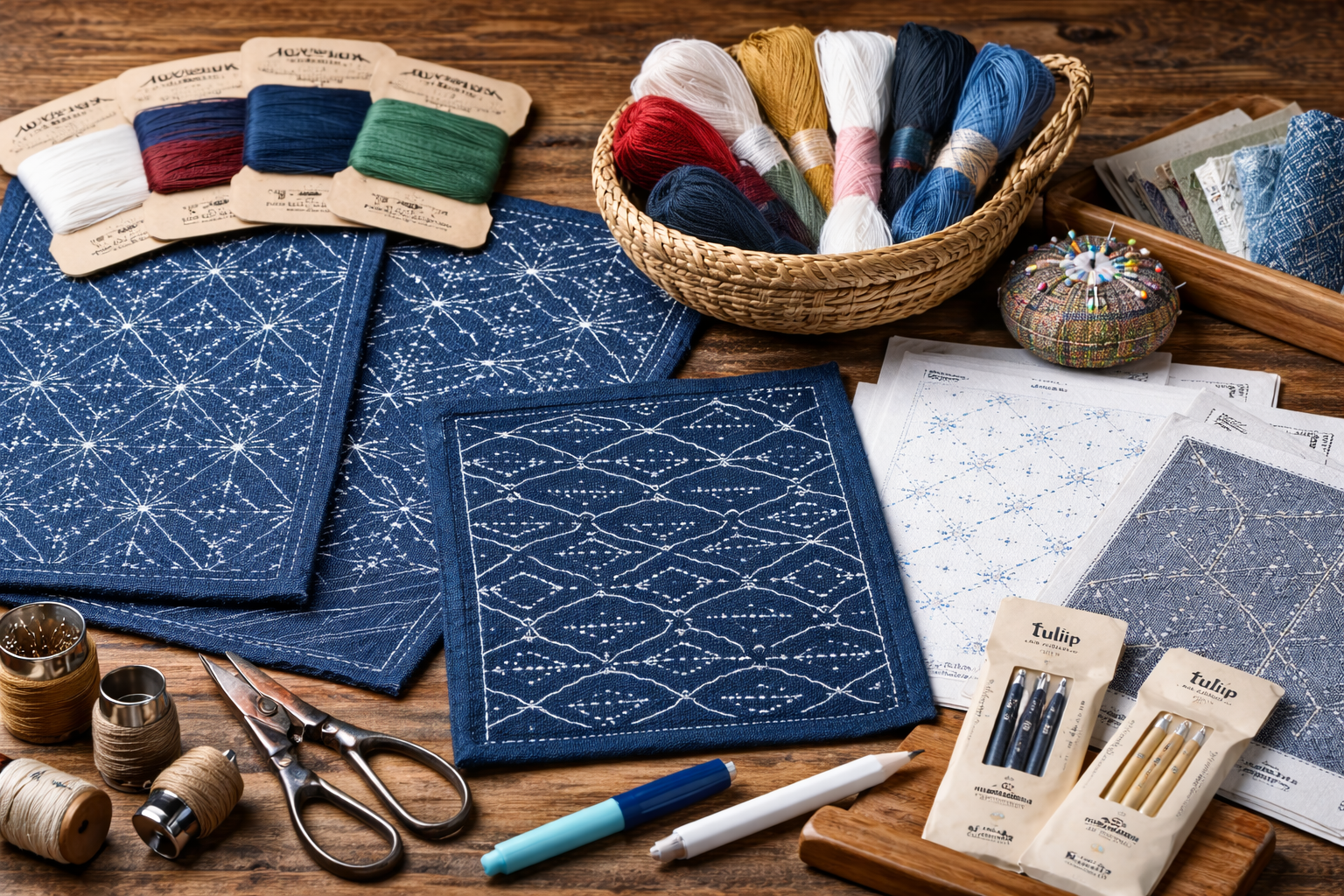
Before we get into stitches and shopping lists, here’s the one-sentence promise of this guide: you’ll understand what sashiko is, how it differs from other Japanese textile traditions, and exactly what to buy and do for your first clean project—without getting overwhelmed. If you’re coming from our bigger hub, you can also browse the full landscape of Japanese crafts here: Japanese Craft: A Complete Guide.
Sashiko is especially beginner-friendly because it’s built on one core stitch, simple geometry, and a “use it every day” mindset. In this article, we’ll walk from the basics (meaning and history) to practical execution (materials, first project steps), then finish with the fastest path to sourcing supplies in Japan and from overseas.
- What Is Sashiko?
- A Quick History: From Necessity to Modern Craft
- Sashiko vs. Embroidery vs. Boro
- The Core Technique: The Running Stitch (Unshin)
- Beginner-Friendly Sashiko Patterns and Their Meanings
- What You Need to Start (Minimal Kit)
- Choosing the Right Fabric, Thread, and Needle
- How to Start Your First Project (Step-by-Step)
- Common Beginner Mistakes (and Easy Fixes)
- Where to Buy Sashiko Supplies in Japan (and How to Source from Overseas)
- Related Guides (Internal Links)
- Need Help Sourcing from Japan?
What Is Sashiko?
Sashiko (刺し子) is a traditional Japanese stitching technique—often described as embroidery, but historically used for reinforcing, repairing, and strengthening fabric with simple running stitches that form geometric patterns.
If you’re new to Japanese crafts in general, start with our big-picture guide: Japanese Craft: A Complete Guide.
A Quick History: From Necessity to Modern Craft
Sashiko is commonly traced back to Japan’s Edo period (1603–1868) and grew as a practical way to extend the life of clothing—especially among rural communities where fabric was precious. Over time, what began as functional reinforcement became admired for its rhythm, repeat patterns, and striking contrast (often white stitches on indigo cloth).
For a broader look at how “everyday life” crafts evolved in Japan, see: Tokyo Craft Day: Aoyama Square + Mingeikan + Ginza Takumi.
Sashiko vs. Embroidery vs. Boro
- Sashiko: the technique—running stitches placed with intention for strength, repair, and sometimes decoration.
- Embroidery (general): often prioritizes decorative surface work and may use many stitch types.
- Boro: not a stitch, but an outcome—textiles that show years of patching and reinforcement (often including sashiko) layered over time.
If you’re curious about other Japanese embroidery traditions beyond sashiko, read: Japanese Needlework Explained: Nihon Shishu & Bunka.
The Core Technique: The Running Stitch (Unshin)
At its heart, sashiko is built on a simple running stitch. Many sashiko makers use a technique sometimes called “unshin”—loading several stitches onto the needle before pulling the thread through—so you can keep a steady rhythm and consistent stitch length. (You don’t need perfection to start; consistency improves quickly with practice.)
If you like chart-driven, technique-forward Japanese pattern culture, you’ll probably also enjoy: Knitting in Japan and Crochet in Japan.
Beginner-Friendly Sashiko Patterns and Their Meanings
You’ll see countless motifs, but these are common “first patterns” because they’re geometric and easy to mark:
- Asanoha (麻の葉 / hemp leaf): traditionally associated with strong, fast growth and vitality (hemp grows quickly and straight).
- Seigaiha (青海波 / blue ocean waves): often interpreted as a symbol of peace, good fortune, and continuity (waves that go on forever).
- Shippo (七宝 / seven treasures): linked to harmony and good relationships (interlocking circles). (Meaning varies by source and usage; treat it as “traditional symbolism,” not a fixed rule.)
Tip: meanings are a great storytelling layer for buyers, but sashiko also has a strong “everyday life” ethic—don’t feel locked into strict symbolism.
If you love geometric thread work, you may also like: Japanese Temari Ball Explained.

What You Need to Start (Minimal Kit)
You can start sashiko with very few tools:
- Sashiko needle (often longer, with a larger eye)
- Sashiko thread (typically thicker and non-divisible compared to embroidery floss)
- Fabric (cotton/linen; many beginners use sashiko cotton or tightly woven fabric)
- Marking tool (washable pen/chalk) + ruler
- Thimble (optional but helpful for pushing the needle)
For a complete, buyer-friendly shopping list (with what to prioritize first), see:
Sashiko Supplies Guide: Needles, Thread, Fabric & Tools.
If you want a safe, mainstream starting point, Olympus is a long-established Japanese manufacturer with a dedicated sashiko lineup.
Choosing the Right Fabric, Thread, and Needle
Thread
Sashiko thread is usually used as one strand (not split into plies like floss), and it’s designed to show a bold stitch texture.
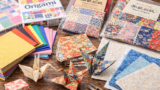
If you’re also shopping Japanese craft materials, you’ll probably like our paper guides too:
Needles
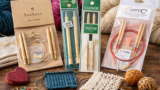
Quality needles make a huge difference in hand feel. Japanese needle makers like Tulip (Hiroshima) produce hand-stitch needles and sashiko-appropriate options.
If you’re into Japanese tool quality and comparisons, here’s the knitting equivalent:
Japanese Knitting Needles Comparison (Seeknit vs Clover vs Tulip).
Fabric
Beginners do best with:
- Medium-weight cotton/linen
- Tight weave (so stitches sit cleanly)
- Not too stretchy (avoid knits at first)
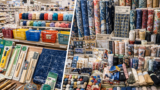
If you’re shopping fabric in Tokyo (great for sashiko cloth, quilting cotton, and basics), use this route:
Tokyo Craft Shopping: Yuzawaya + Nippori Fabric Town.
How to Start Your First Project (Step-by-Step)
A simple first project: a coasters set or a visible-mending patch.
- Pick a pattern (asanoha or simple grids are ideal)
- Mark your design (light lines; keep spacing consistent)
- Thread your needle (knotting is optional depending on method; beginners can knot)
- Stitch with a running stitch
- Aim for even stitch length (start roughly “rice grain” size; adjust as you like)
- Secure ends (small backstitches or weave into the back)
- Wash out markings (if using washable tools)
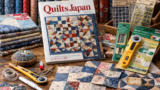
If you’re also a quilter, sashiko pairs beautifully with patchwork projects—see: Quilting in Japan.
Common Beginner Mistakes (and Easy Fixes)
- Pulling too tight: Sashiko looks best when stitches lie flat; keep gentle tension.
- Overthinking “rules”: Historically it was practical and flexible; start simple and iterate.
- Using embroidery floss and splitting it: You can, but you may lose the bold, durable sashiko look.
- Starting on stretchy fabric: Switch to stable woven cotton first.
Where to Buy Sashiko Supplies in Japan (and How to Source from Overseas)
If you’re in Japan, you’ll find sashiko supplies at major craft stores and specialty shops. If you’re overseas, the challenge is often:
- Japanese-only storefronts
- fragmented inventory across multiple stores
- shipping consolidation and inspection (especially for bulk orders or gift sets)
Brands and makers with dedicated sashiko product lines (like Olympus) also help you buy with confidence because the product naming is consistent across threads and kits.
For a Tokyo-based shopping plan (tools + fabric), use:
Tokyo Craft Shopping: Yuzawaya + Nippori.
For the full checklist and buying logic, go here:
Sashiko Supplies Guide.
Related Guides (Internal Links)
If you enjoyed this sashiko guide, continue here:
- Japanese Craft: A Complete Guide
- Sashiko Supplies Guide (what to buy + where to shop)
- Japanese Needlework Explained: Nihon Shishu & Bunka (embroidery beyond sashiko)
- Japanese Temari Ball Explained (another beautiful Japanese thread craft)
- Tokyo Craft Day: Aoyama Square + Mingeikan + Ginza Takumi (craft culture + buying context)
- Tokyo Craft Shopping: Yuzawaya + Nippori (fabric + tools route)
Need Help Sourcing from Japan?
If you want to buy authentic sashiko supplies from Japan—especially for bulk orders, bundle building (needle + thread + fabric), or store-to-store consolidation—my Fiverr Japan Sourcing Gig can help with:
- product selection support (beginner kits vs. pro tools)
- purchasing from Japanese shops
- consolidation + basic inspection
- international shipping coordination


コメント