


If you’re searching “Japanese temari ball”, “temari ball meaning”, or “where to buy authentic temari”, you’re likely looking for a giftable Japanese craft that’s lightweight, highly visual, and culturally distinctive—without the fragility of ceramics. This guide explains what temari is, what it symbolizes, which patterns buyers love, how to spot quality, and where to buy regional styles like Kaga Temari, Matsumoto Temari, and Sanuki Kagari Temari. You’ll also get practical shipping tips for overseas buyers and easy internal links to your broader Japanese craft cluster.
For the big-picture craft hub, start here: Japanese Craft: A Complete Guide.
- What is a Japanese temari ball?
- A quick history: from toy to folk art
- What temari symbolizes (and why it’s a popular gift)
- Temari patterns: the “Japan-coded” motifs buyers love
- What to buy: display temari, ornaments, kits, and DIY supplies
- How to choose quality (authenticity + finish checklist)
- Where to buy temari in Japan (regional styles + Tokyo options)
- Shipping & overseas buying tips
- Want help sourcing temari from Japan?
What is a Japanese temari ball?
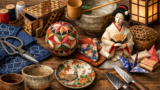
A temari is a traditional Japanese hand ball (“te” = hand, “mari” = ball) that evolved into a decorative craft featuring intricate thread patterns on a sphere. Many sources describe temari as a Japanese folk art/craft, historically made from scraps of old kimono and wrapped/stitched into a ball.
If your reader is exploring Japanese thread crafts beyond temari, link them to
A quick history: from toy to folk art
Temari are often explained as originating from ball games introduced from China and later developing in Japan into softer hand-play balls made from fabric scraps, eventually becoming more decorative over time.
Regional tourism guides also describe temari as originally made using old kimono pieces—one reason the craft is strongly associated with reuse and household creativity.
Extra context you can add (buyer-friendly): today, many temari are made primarily as décor rather than toys, so the focus shifts to symmetry, thread tension, and motif design.
What temari symbolizes (and why it’s a popular gift)
Temari are commonly framed as good-luck gifts, especially around New Year, and as symbols associated with youth and celebration in Japanese culture.
That “giftability” is exactly why temari performs well for overseas buyers:
- lightweight (easy to ship)
- high visual impact (photographs beautifully)
- culturally distinctive without requiring deep specialist knowledge
For gift presentation ideas (wrapping, paper accents), connect here: Washi Paper Crafts in Japan.
Temari patterns: the “Japan-coded” motifs buyers love
One reason temari photographs so well is the geometry: repeated divisions (often 4/6/8/10 sections) become a canvas for seasonal and auspicious motifs.
Classic motifs you’ll see often
- Sakura for spring
- Tortoise-shell (kikkō) patterns as protective/auspicious motifs
- Chrysanthemum-style designs (including “double chrysanthemum” motifs often mentioned)
(Meanings vary by maker and region, so present symbolism as “traditional associations,” not hard rules.)
Color palettes that work especially well for buyers
- Red + gold (classic celebratory gift vibe)
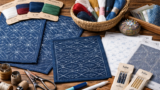
- Indigo + white (quiet, traditional feel—also popular with textile lovers)
- Soft pastels (modern interiors, wedding gifts, baby gifts)
If your readers love Japanese geometric motifs, this cross-link is natural: Sashiko for Beginners.
What to buy: display temari, ornaments, kits, and DIY supplies
Display temari (the classic)
Best for: home décor, collectors, premium gifts
Look for: crisp symmetry, clean thread tension, and refined color planning.
Small temari accessories (easy souvenirs)
Best for: travelers, small gifts
Often sold as bag charms/ornaments rather than full-sized balls.
Kits & DIY supplies (high purchase intent)
If your audience is crafters, kits and parts are a strong angle. For example, Olympus sells a pre-cut temari core with division lines stitched in gold thread (4/6/8/10 divisions), which makes it easier for beginners to start cleanly.
Extra buyer note: temari kits are ideal for overseas readers because they reduce the “what do I need?” friction (core + thread plan + instructions).
Workshops (experience content)
Some tourism/craft channels highlight places where you can make your own temari as an activity—great for travel SEO and for creators who want an “I made this in Japan” story.
If your reader is building a Tokyo craft itinerary, link here: One Day in Tokyo for Japanese Craft Lovers.
How to choose quality (authenticity + finish checklist)
Use this when buying in-store or judging online photos:
Craft quality checklist
- Symmetry: patterns align cleanly across divisions
- Thread tension: even, tight, not sagging or gapping
- Color planning: intentional palettes (not “random rainbow” unless it’s clearly the style)
- Surface finish: no fuzzing or loose ends; knots hidden neatly
- Core firmness: should feel solid and evenly round (not lumpy)
Provenance checklist (fast authenticity shortcut)
- Clear seller identity (address/contact)
- Region/style stated (e.g., Kaga, Matsumoto, Sanuki)
- Maker attribution when available (especially for higher-priced pieces)
Pro tip: ask for (or photograph) the maker card and keep the receipt—temari reorders are much easier when you have exact references.
Where to buy temari in Japan (regional styles + Tokyo options)
Matsumoto Temari (Nagano)
Local guides call temari one of Matsumoto’s most well-known folk crafts. If you’re writing region-focused content, “Matsumoto Temari” is a strong supporting keyword.
Sanuki Kagari Temari (Kagawa)
Tourism sources describe it as handmade using cotton threads dyed with natural dyes (including aromatic variants). This is a great angle for readers who care about materials and craft process.
Kaga Temari (Ishikawa/Kanazawa area)
Kanazawa craft directories list specialist shops focused on Kaga temari. Good for buyers who want a clearly labeled regional style.
Tokyo options (what to expect)
Tokyo can have temari through craft shops, curated traditional craft channels, pop-ups, and department store craft floors—but selection varies. If your reader wants the strongest provenance, point them to regional makers or well-documented sellers.
For Tokyo craft-shopping context (especially if they’re also buying fabric/notions), link: Tokyo Craft Shopping: Yuzawaya + Nippori.
Shipping & overseas buying tips
Temari ship relatively well (compared with ceramics), but shape protection matters:
- Crushing is the main risk: request a rigid box with internal padding so the sphere can’t deform
- Avoid moisture exposure: keep the item sealed in a plastic bag inside the box in humid seasons
- Photo log for reorders: item + maker card + receipt
Practical packaging ask (simple phrase): “Please pack in a rigid box with padding so the ball cannot move.”
Want help sourcing temari from Japan?
If you want authentic temari—especially regional styles (Kaga/Matsumoto/Sanuki), matching gift sets, bulk orders, or maker-verified pieces—I can help via my Fiverr Japan Sourcing Gig with:
- purchasing from Japanese shops
- consolidation into one shipment
- basic inspection (symmetry, loose threads, correct size/style)
- international shipping coordination

コメント