


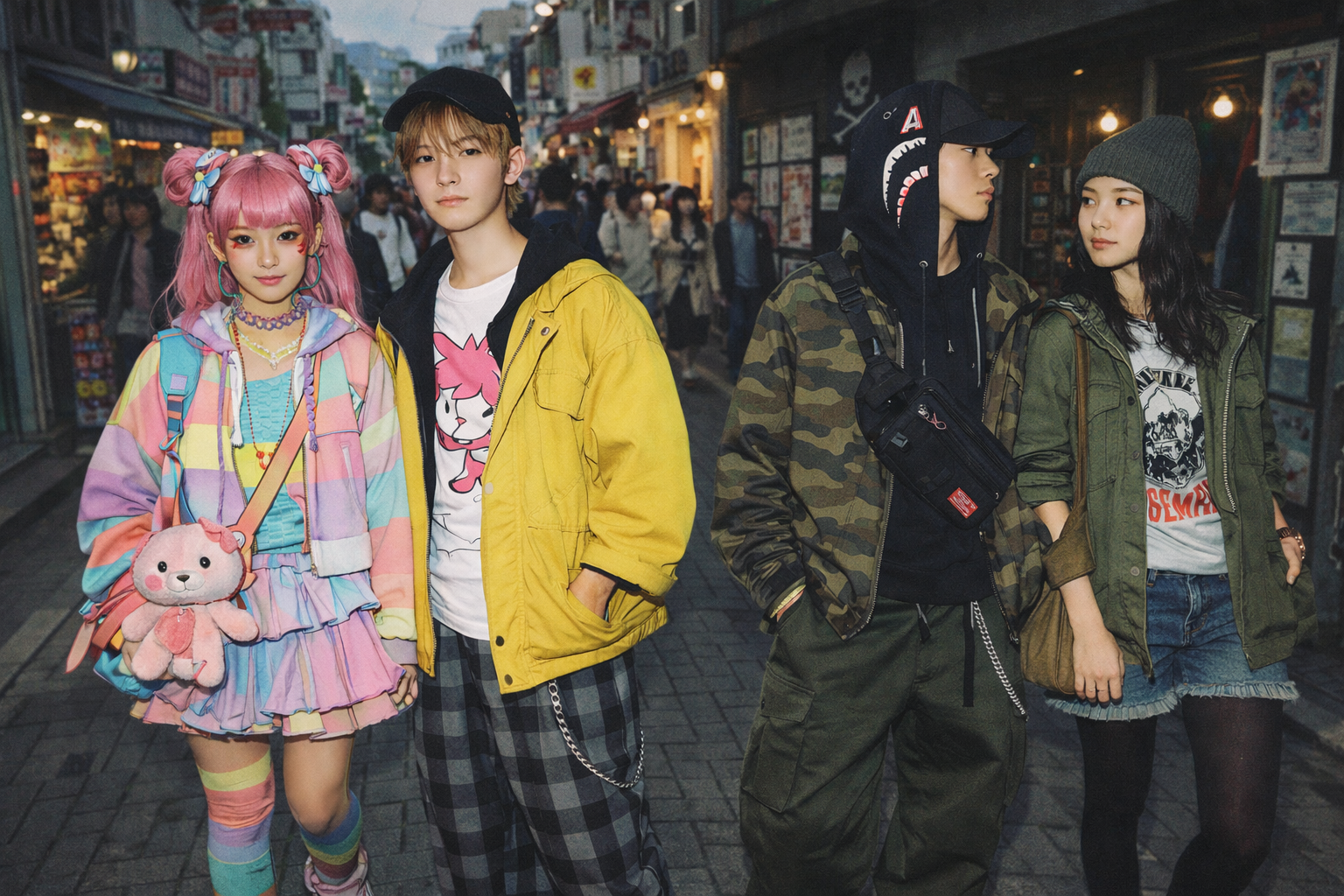
Japanese streetwear isn’t just “clothes from Japan.” It’s a culture shaped by Tokyo neighborhoods, small-boutique scenes, magazine-driven style documentation, and a unique Japanese talent for turning everyday outfits into a coherent “world.” This pillar guide is your hub for understanding the meaning behind the look—and for finding the best paths to shop it (new, vintage, and resale).
Before we dive into definitions, here’s the simplest promise of this article: by the end, you’ll know what Japanese streetwear is, why it feels different, how Harajuku/Ura-Harajuku shaped it, and where to buy it smartly—with internal links to brand lists, techwear, vintage shops, and shopping guides.
- What is Japanese streetwear?
- Why Japanese streetwear feels different
- Harajuku vs. Ura-Harajuku: what those words really mean
- A quick timeline: 90s → 2000s → today
- The magazines that represent Japanese street culture
- Key substyles people mean when they say “Japanese streetwear”
- Where to buy Japanese streetwear in Japan (including vintage)
- How to buy Japanese streetwear on a budget (Japan trip + overseas)
- Need help sourcing Japanese streetwear from Japan?
What is Japanese streetwear?
Japanese streetwear is an umbrella term for styles that grew from real street culture—especially Tokyo—then evolved through Japan’s strengths: curation (styling as editing), subculture, craftsmanship, design discipline, and limited releases.
In practice, Japanese streetwear often mixes:
- Global street DNA (skate, hip-hop, punk, outdoor)
- “World-building” branding (strong motifs, characters, themes, storytelling)
- Detail obsession (fit, fabric, construction, finishing)
- Shop-driven culture (select shops, drops, collaborations, local scenes)
If you’re searching “japanese street style fashion,” “japan streetwear fashion,” or “japanese street clothes,” you’re usually looking for both the visual styling and the cultural context that made it recognizable worldwide.
If you want brand recommendations right away, start here and come back to the culture later:
Popular Japanese Streetwear Brands Loved Worldwide

Before we talk timelines, it helps to understand why Japan’s streetwear ecosystem developed its own flavor.
Why Japanese streetwear feels different
Japanese streetwear didn’t simply copy Western street culture—it remixed it in a uniquely Japanese system where neighborhoods, shops, and media amplified micro-trends.
Dense neighborhoods make micro-trends visible fast
Areas like Harajuku are compact and walkable, so style shifts show up quickly. You can see entire “lanes” of fashion in a short stroll—youth-forward streets, curated select shops, backstreet boutiques, and vintage clusters.
Style was documented as culture, not just outfits
In Japan, street style was treated as something worth archiving: street snaps, interviews, scene reports, and editorial storytelling helped turn outfits into movements.
Boutique networks rewarded discovery and community
Especially in the Ura-Harajuku era, “cool” was shaped by what you could discover through backstreets, tight communities, and limited distribution—not just what was advertised.
Next, let’s clarify the two words that appear constantly in Japanese streetwear searches: Harajuku and Ura-Harajuku (Urahara).
Harajuku vs. Ura-Harajuku: what those words really mean

Harajuku is both a real Tokyo area and a global shorthand for Japanese street fashion—where youth culture, shopping, and style experimentation overlap.
Ura-Harajuku (often shortened to “Urahara”) literally means Harajuku’s “backstreets.” In streetwear conversations, it also refers to the 1990s boutique-driven movement built around insiders, limited releases, and scene credibility.
A simple way to remember it:
- Harajuku = the stage
- Urahara = the backstage scene that wrote the playbook
If you’re specifically hunting BAPE in Japan (stores, price expectations, exclusives), jump here:
- BAPE Japan Guide: Stores in Tokyo, Prices & Exclusives → (internal link to your BAPE focus article: e.g.,
/bape-japan-guide/)
With that geography clear, the history becomes much easier to follow.
A quick timeline: 90s → 2000s → today
Japanese streetwear’s global reputation is deeply tied to the 1990s–2000s arc: boutique scenes become movements, then collaborations and “drop culture” scale the influence worldwide.
The 90s: Urahara becomes a movement
The 1990s emphasized small runs, local credibility, and community taste. Discovery mattered—what you wore said something about where you shopped and who you followed.
The 2000s: collaborations + global recognition
The 2000s normalized collabs, limited releases, and premium streetwear as a mainstream concept. Japan’s streetwear vocabulary became globally legible—graphics, iconography, collectibles, and tightly controlled distribution.
Today: global streetwear, Japanese-level detail
Modern Japanese streetwear remains influential because it’s often strong at:
- fit + fabric
- concept + storytelling
- hybrid design (street × tailoring, street × outdoor, street × craft)
To understand that evolution, you can’t ignore the magazines and media that recorded and shaped the culture.
The magazines that represent Japanese street culture
Japanese streetwear culture is inseparable from how it was photographed, edited, and distributed as “taste.” If you want to study the roots (and learn styling cues), these are the names you’ll see referenced again and again.
FRUiTS (Harajuku street snaps / subculture archive)
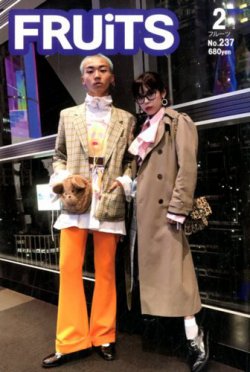
A cornerstone of Harajuku street documentation. If you’ve ever seen classic “Harajuku street snap” imagery, there’s a good chance FRUiTS influenced the global perception of that era.
POPEYE (cleaner “city taste” that overlaps with street)
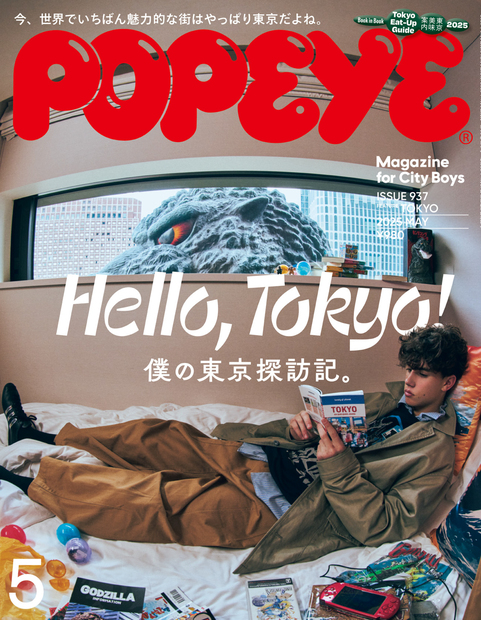
For people who prefer a more minimal, curated approach—where streetwear blends into everyday city styling—POPEYE is a useful reference point.
HOUYHNHNM (web media for fashion + culture)
For a more current pulse (drops, collabs, brand movements, styling angles), Japanese fashion web media like HOUYHNHNM helps track what’s happening now.
Where to buy these magazines in Japan:
You’ll typically find them at major bookstores and magazine retailers in Tokyo (and sometimes at select shops that carry fashion publications). For overseas readers, online marketplaces and resale platforms often have back issues—availability varies by title and era.
Now let’s map the substyles people usually mean when they type “Japanese streetwear” into search.
Key substyles people mean when they say “Japanese streetwear”
Searches like “japanese techwear,” “japanese vintage streetwear,” “japan 90s streetwear,” or “harajuku streetwear” often point to one of these lanes. Think of them as a menu—many people mix more than one lane in the same outfit.
1) Urahara classics (icons, graphics, collectibles)
A lane tied to Harajuku backstreet culture: recognizable motifs, limited drops, collabs, and a collector mindset.
2) Japanese techwear (urban functional / “city gear”)
When people search “japanese techwear,” they’re usually talking about functional streetwear: weather resistance, smart pocket systems, mobility-focused patterning, and clean silhouettes.
Quick checks if you’re new:
- Fabric & function: water-repellent, breathable, quick-dry, durable textiles
- Fit logic: room for layering without looking sloppy
- Hardware: zips, fasteners, modular pockets that are actually usable
- Palette: black/grey/earth tones are common, but not required
3) Vintage-craft street (denim, indigo, workwear, “aged” texture)
A lane where texture is the point: denim, heritage references, visible repair aesthetics, and “new items that feel old” through design.
4) Harajuku experimental (subculture mix + playful styling)
A lane that blends cute, dark, DIY, and genre-crossing styling—the more experimental side of street fashion that made Harajuku famous.
Understanding style is one thing; buying well is another. Here’s how to shop Japanese streetwear efficiently—especially if you care about authenticity, value, and finding pieces that match your lane.
Where to buy Japanese streetwear in Japan (including vintage)
If you’re visiting Japan, Harajuku is a fast education even before you buy—because you learn silhouettes, layering logic, and how locals “edit” outfits.
New items (brands + select shops)
For new releases, focus on brand flagship stores and reputable select shops. Your best results usually come from picking a lane first (Urahara classic / techwear / craft-vintage) and then visiting stores that specialize in that lane.
Vintage (furugi) is a core part of the ecosystem
Tokyo streetwear is deeply connected to furugi (secondhand/vintage). If you want the “real texture” of Japanese street style—vintage is often the best value and the fastest route.
Next: if you want to buy smart, “where” is only half the story—how you buy matters even more👇

How to buy Japanese streetwear on a budget (Japan trip + overseas)
If your goal is “affordable Japanese streetwear,” the best strategy is usually mixing lanes: buy a few key new pieces (for fit and clean condition) and fill the rest with vintage/resale (for value and uniqueness).
Best-value approach in Japan
- Prioritize vintage/furugi for everyday staples and statement pieces
- Compare condition carefully (fading, cracking prints, repairs, sizing)
- Treat “cheap” as a signal to check details, not automatically a deal
Overseas buyers: Mercari Japan can be a value goldmine (even though it’s mostly secondhand)
For overseas buyers who want Japanese streetwear below retail, Mercari Japan is often one of the best-value options. You’ll commonly find last-season items, lightly used basics, and occasional rare pieces at better prices than new retail.
Important buyer habits:
- Confirm measurements (don’t rely on tag size alone)
- Ask for clear condition photos (prints, stitching, tags, any damage)
- Factor in proxy fees + international shipping so the final cost still makes sense
👇How to Buy from Mercari Japan (Overseas-Friendly Tips)

Finally, if you’re sourcing at scale (or trying to avoid risks), having help on the ground can save time and mistakes.
Need help sourcing Japanese streetwear from Japan?
If you’re trying to secure Japan-only releases, track down sold-out pieces, or buy safely on the secondhand market, I can help as your Japan-based sourcing partner—store checks, proxy buying, verification photos (condition/authenticity), and shipping coordination.
コメント