

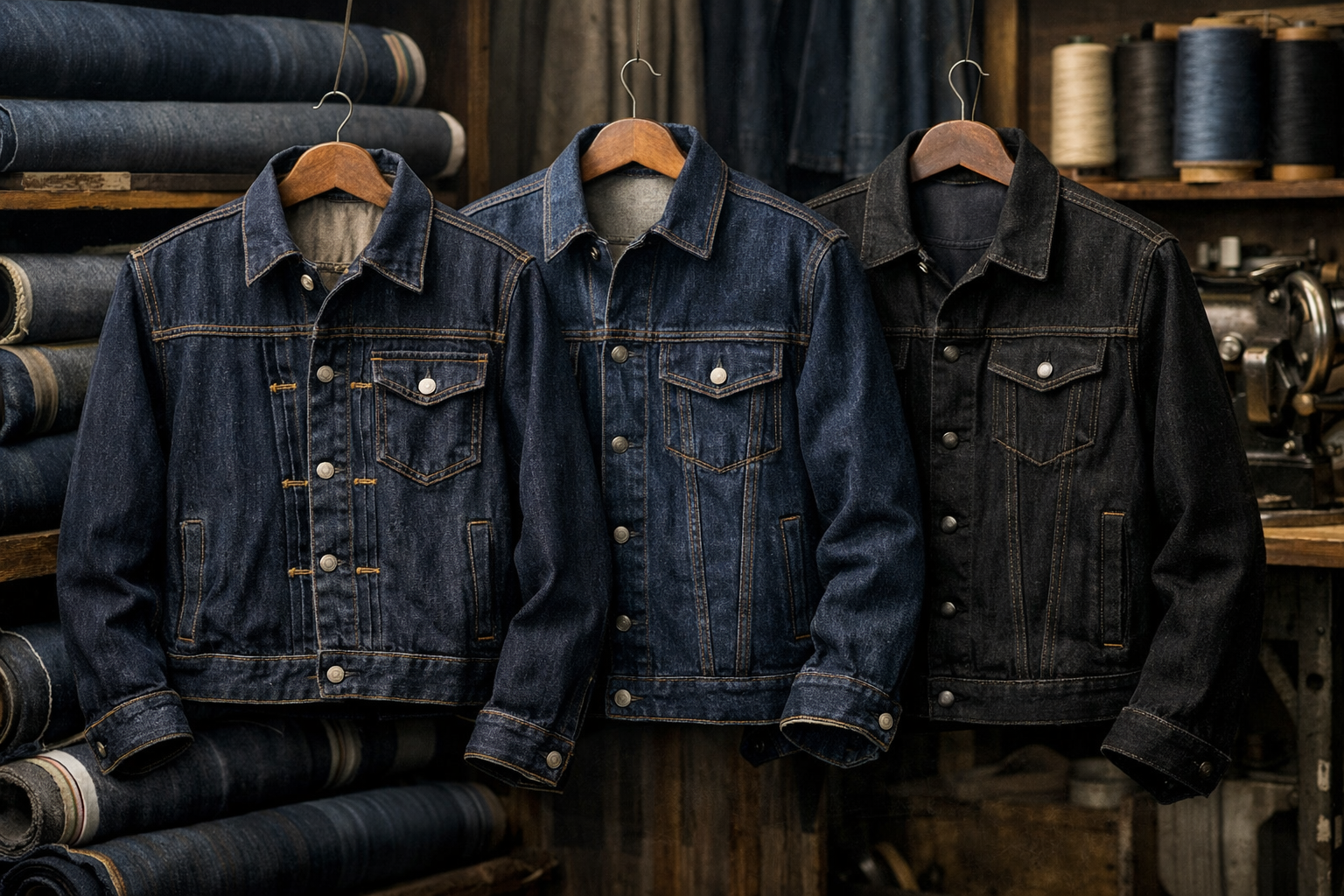
Japanese denim is famous for jeans—but Japanese denim jackets are often the fastest way to feel the difference in fabric, stitching, and aging. A great jacket works across seasons, layers easily, and develops character the more you wear it.
This guide covers:
- The 3 classic denim jacket types (Type 1 / 2 / 3)
- How Japanese denim jackets differ (selvedge, raw vs one-wash, weight)
- Fit and sizing tips (so you don’t regret the purchase)
- Where to buy in Japan (Kojima, Tokyo, Osaka), online, and secondhand (Mercari)
- Why Japanese Denim Jackets Are So Popular
- Denim Jacket Basics: Type 1 vs Type 2 vs Type 3
- What Makes a “Japanese Denim Jacket” Different?
- How to Choose the Right One (Beginner → Enthusiast)
- Best Japanese Denim Jacket Brands to Know
- Where to Buy Japanese Denim Jackets
- FAQ
- Need help sourcing Japanese denim jackets?
Why Japanese Denim Jackets Are So Popular
Japanese denim jackets are valued because they combine heritage construction with fabric obsession:
- Dense, character-rich denim that ages beautifully
- Clean stitching and durable stress-point reinforcement
- Thoughtful patterns and silhouettes that layer well
- Consistent quality control in small-batch production
If you love the idea of a jacket that looks better every year, Japanese denim is hard to beat.
Denim Jacket Basics: Type 1 vs Type 2 vs Type 3
Type 1 (1st): The “Pleated Front” Classic
Best for: vintage lovers, minimalist wardrobes
Look: one chest pocket, front pleats, shorter/boxier feel
Type 1 jackets are the most heritage-leaning silhouette—simple, iconic, and often great with high-rise jeans.
Type 2 (2nd): Balanced, Practical Heritage
Best for: daily wear, balanced proportions
Look: two chest pockets, front pleats, cleaner symmetry
Type 2 is often the easiest “one jacket” choice: heritage vibe with more function.
Type 3 (3rd / Trucker): The Modern Standard
Best for: most people, most outfits
Look: V-shaped seams, more fitted lines, familiar trucker shape
Type 3 is the most common today and often the most flattering for layering and casual styling.
What Makes a “Japanese Denim Jacket” Different?
Selvedge and heritage weaving
Many Japanese jackets use selvedge denim, woven on shuttle looms in smaller batches. That can mean more texture and a more “alive” fabric surface.
Raw vs one-wash (and why it matters)
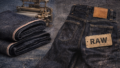
- Raw denim jackets start stiff and fade dramatically with wear.
- One-wash jackets are rinsed once to reduce shrinkage surprises and improve comfort.
If you’re unsure, read this first:
👇Selvedge vs Raw Denim (Beginner Guide)
Denim weight (oz) changes comfort
- 11–13oz: lighter, easier layering, warmer climates
- 13–16oz: the sweet spot for most buyers
- 17oz+: heavy, rugged, long break-in (amazing but a commitment)
How to Choose the Right One (Beginner → Enthusiast)
1) Start with your “use case”
- Everyday, easy styling: Type 3 (trucker)
- Classic heritage vibe: Type 2
- Vintage purist: Type 1
2) Decide raw vs one-wash
- Want stronger fades and a personal story → raw
- Want predictable sizing + easier comfort → one-wash
3) Pick a fit that matches your layering plan
Ask yourself: will you wear it over a hoodie or only over a T-shirt?
- Slim/standard fit: clean look, less layering
- Relaxed fit: easier for hoodies and winter layers
4) Confirm shrinkage before hemming/alterations
For raw jackets, shrinkage varies. If you plan tailoring, confirm the jacket is raw or one-wash first.
5) If you care about details, check these
- Stitching density and reinforcement at stress points
- Hardware quality (buttons, rivets)
- Pocket placement and comfort
- Fabric texture (smooth vs slubby) depending on your taste
Best Japanese Denim Jacket Brands to Know
Instead of listing “10 random picks,” this section highlights brands that denim buyers consistently watch—especially if you care about fabric, construction, and long-term wear.
Momotaro Jeans
Heritage-meets-modern with deep indigo and iconic identity. Great if you want a “benchmark” Japanese denim look.
Official: https://momotarojeans.com
Pure Blue Japan
Famous for texture—slubby fabrics that fade with a lot of character.
Official: https://www.purebluejapan.jp/
Iron Heart
If you want heavyweight, rugged construction and a tough-as-nails jacket, Iron Heart is a top name.
Official: https://www.ironheart.jp/
Warehouse & Co.
Vintage reproduction accuracy—excellent if you love classic workwear proportions and authentic aging.
Official: https://www.ware-house.co.jp/
Studio D’Artisan
A pioneer of Japan’s reproduction denim movement with heritage techniques and approachable style.
Official: http://www.dartisan.co.jp/
Fullcount
Comfort-focused denim (often using softer cotton), great if you want easier wear and softer break-in.
Official: https://fullcount-online.com/collections
Samurai Jeans
Bold aesthetics and dramatic aging potential, often with heavier fabrics and themed detailing.
Official: https://www.samurai-jeans.com
Japan Blue Jeans
Strong value entry point with modern fits and excellent fabric development.
Official: https://japanbluejeans.com
KAPITAL
Craft + fashion expression (BORO-inspired and experimental pieces). Not for everyone—perfect if you want a statement jacket.
Official: https://www.kapital.jp/
Related: If you want the full brand breakdown for jeans as well:
👇Top 10 Japanese Denim Brands (Complete Guide)
Where to Buy Japanese Denim Jackets
In Japan (Kojima / Tokyo / Osaka)
Kojima (Okayama) is the iconic denim destination—brand shops and multi-brand stores are concentrated, and hemming/repairs are easier to find.
In Tokyo and Osaka, focus on:
- Denim specialty stores and select shops (more brand variety)
- Department stores for certain premium lines
- Trying multiple fits—patterns vary a lot by brand
Online / International Shipping
Many Japanese brands and reputable retailers ship internationally. Best practice:
- Compare size charts carefully (chest, shoulder, sleeve, length)
- Confirm raw vs one-wash
- Check return policies before ordering overseas
Secondhand: Mercari Japan (Better Prices & Rare Finds)
If you want better prices, discontinued releases, or hard-to-find collabs, Mercari Japan is one of the best places to search. You’ll find everything from near-new jackets to well-aged raw denim with real character.
What to check when buying a used denim jacket:
- Exact measurements (chest, shoulder, sleeve, length)
- Raw vs one-wash, and any shrinkage notes
- Alterations (hemming/shortened sleeves), repairs, and fading level
- Clear photos of hardware, cuffs, and stitching
If you’re outside Japan, here’s my step-by-step guide to using Mercari from overseas:
👇How to Use Mercari Japan From Overseas

Thrift & Vintage Shops in Japan (Try On Before You Buy)
If you’re traveling in Japan, secondhand stores and vintage shops are another great way to find Japanese denim jackets—often with the bonus of trying them on in person. Depending on the shop, you may find classic repro brands, older seasonal releases, or unique fades you won’t get from new items.
For the best areas and shop types to check, see my guide here:
👇Best Second-Hand Clothing Shops in Japan

FAQ
Are Japanese denim jackets always selvedge?
Not always. Selvedge is common in heritage denim, but excellent jackets also exist with non-selvedge fabrics. Prioritize fabric feel and fit.
Is raw denim too hard to wear as a jacket?
Raw jackets start stiff, but many people find them easier than raw jeans because the waistband isn’t involved. Choose mid-weight if you want comfort.
Type 2 or Type 3—which is easier to style?
Type 3 is usually easiest for modern outfits. Type 2 is the most “balanced heritage” option.
What’s the best first Japanese denim jacket?
A Type 3, one-wash, 13–16oz jacket is the safest first purchase.
Need help sourcing Japanese denim jackets?
If you want help comparing models, checking authenticity, or buying from Japan (including secondhand on Mercari), I offer a Japan Sourcing Service on Fiverr that supports:
- Brand and model research
- Store list curation (Japan + online)
- Local buying assistance
- Packaging & international shipping
コメント