

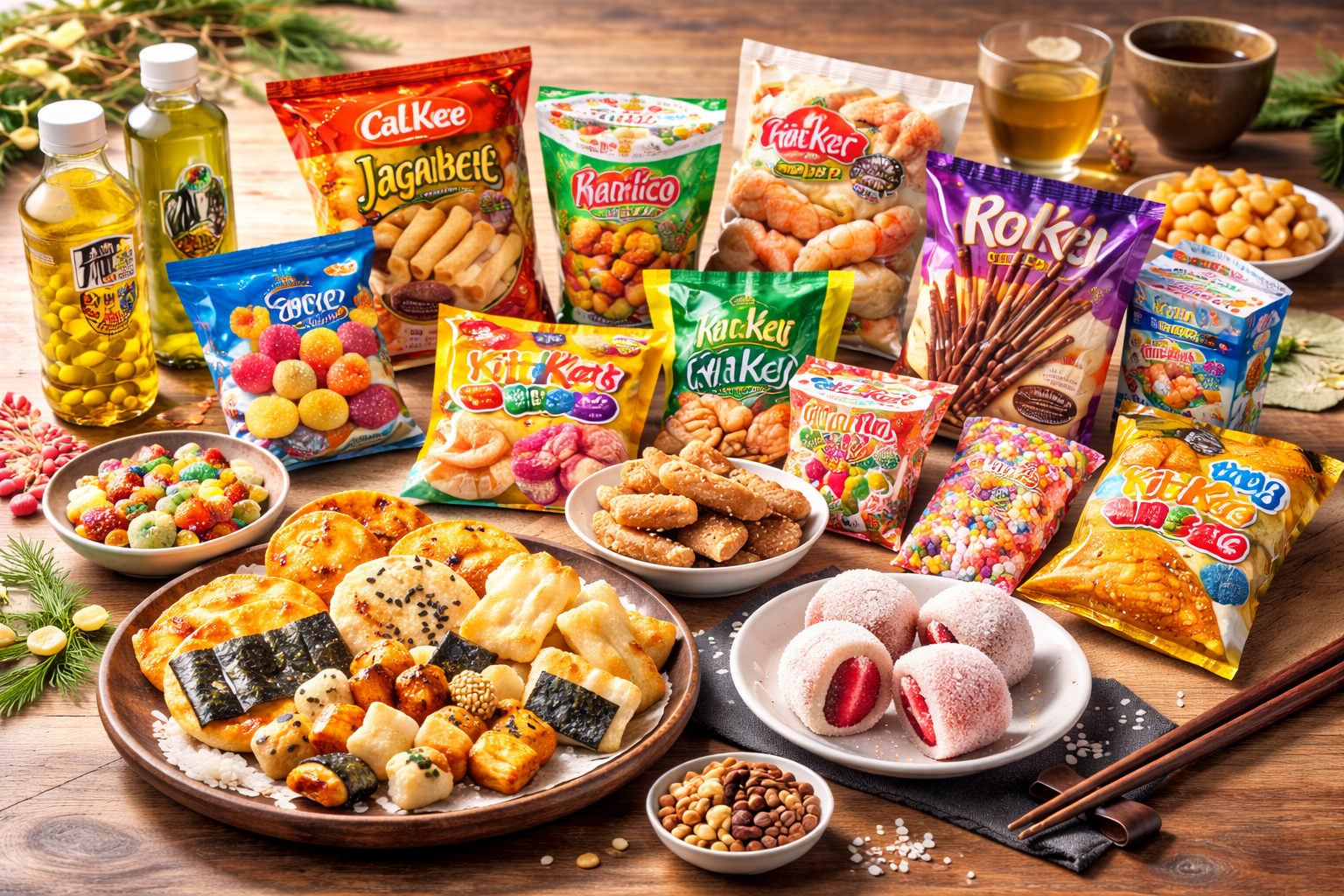
Japan snacks are more than “chips and candy.” You’ll find rice crackers with umami-rich soy sauce, potato snacks with regional limited flavors, playful DIY candy kits, and seasonal editions that change every few months. This guide gives you the big picture—the main snack categories, what to try first, and where to buy them in Japan.
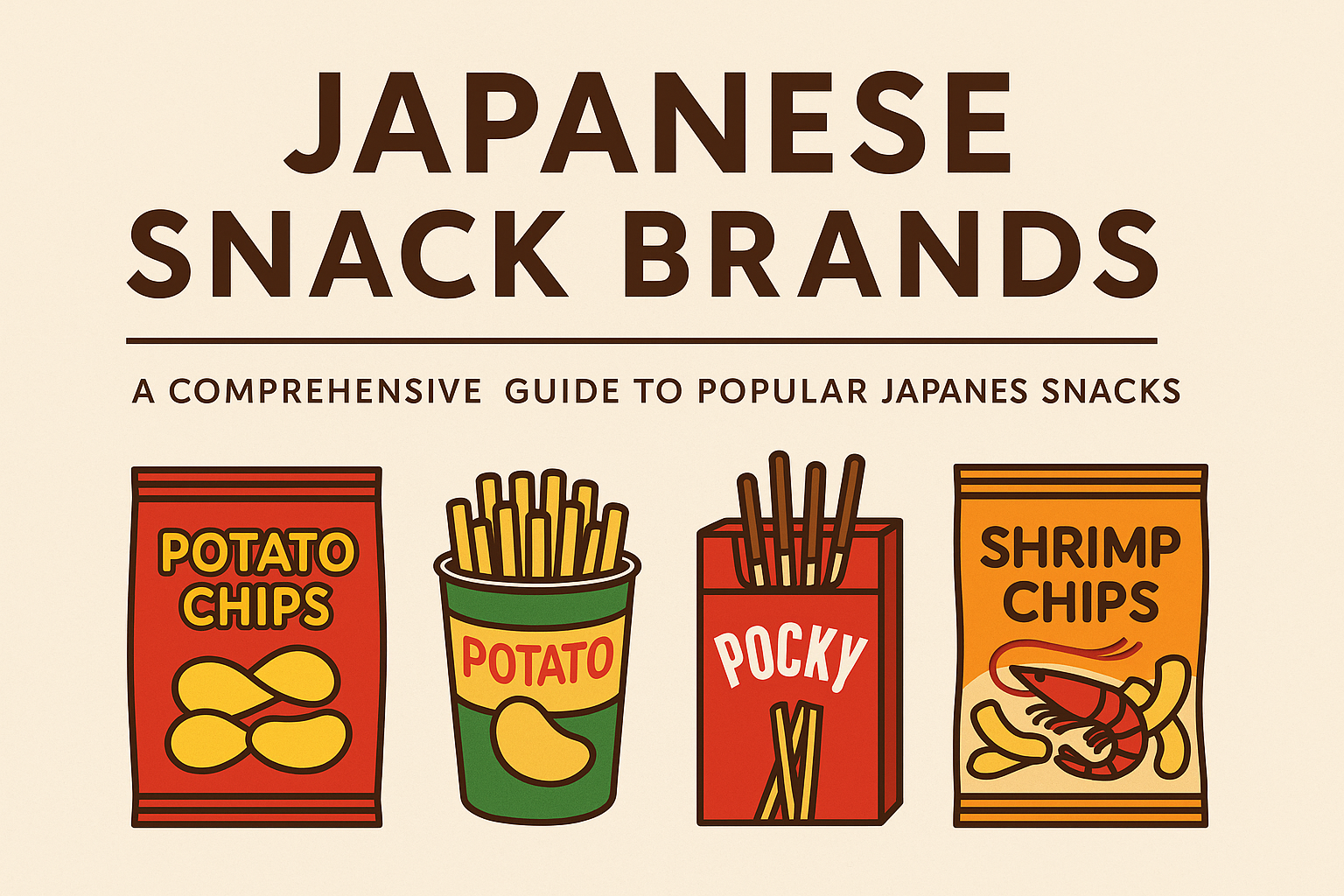
If you prefer choosing by maker, read this companion guide: Complete Guide to Japanese Snack Brands👇
What makes Japanese snacks unique?
Japanese snack foods tend to stand out for:
- Umami-focused flavor design (seaweed, soy sauce, dashi-style seasoning, yuzu, matcha)
- Limited editions (seasonal + regional flavors are a big part of the culture)
- Shareable packaging (mini packs and sturdy formats are common)
- Wide texture range (crispy, airy, chewy, melt-in-mouth—often within the same category)
Japanese snacks list: main types (quick overview)
Here are the most common snack categories you’ll see in convenience stores, supermarkets, and Don Quijote.
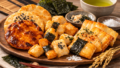
1) Rice crackers (Senbei / Arare / Okaki)
If you want a “traditional-to-modern” Japan snack experience, start here.
- Senbei: larger rice crackers, often soy sauce-based
- Arare: small bite-size rice crackers
- Okaki: thicker rice crackers (often made from mochi rice)
Best for: umami lovers, souvenir packs, snack with tea
Next read: Japanese Rice Crackers Guide (Senbei vs Arare vs Okaki) (internal link)
2) Potato chips & potato snacks
Japan has an endless rotation of potato flavors, including regional limited editions.
Best for: trying Japan-exclusive flavors, stocking up in Don Quijote
Next read: Calbee Japan Guide: Best Snacks & Top Series (internal link)
3) Corn snacks (light & crunchy)
Airy textures, savory seasoning, and easy snacking.
Best for: people who like lighter crunch and bold flavors
4) Stick snacks (sweet & savory)
Iconic in Japan because they’re clean to eat and easy to share.
Best for: gifts, office snacks, travel-friendly treats
Related: Japanese Snack Brands Guide (internal link)
5) Chocolate & biscuits (everyday + gift-friendly)
From everyday chocolate bars to premium boxed treats and seasonal lines.
Best for: gifting, “proper sweets,” and variety bundles
6) Gummies & chewy candy
Japan’s gummy scene is surprisingly deep—texture and fruit flavor quality are big selling points.
Best for: modern snack trends and easy-to-pack candy
7) DIY candy kits (fun experience snacks)
Make-your-own candy kits are popular for families and novelty seekers.
Best for: gifts, unique Japan experience, kids-friendly souvenirs
8) Seasonal & limited-edition snacks
Sakura season, Halloween, winter chocolate releases—Japan snacks change fast.
Best for: collectors, repeat visitors, social media-friendly finds
Must-buy Japanese snacks (starter picks by vibe)
If you want “classic Japan”
- Rice crackers (soy sauce / seaweed styles)
- Shrimp-flavored crunchy snacks
- Matcha or yuzu flavored sweets (seasonal when available)
If you want “modern and trendy”
- New-release potato flavors
- Gummies with unique textures
- Limited-edition collaborations (anime/game tie-ins)
If you want “easy souvenirs”
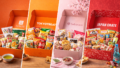
- Individually wrapped assortments
- Cup/tube-style snacks (sturdier for travel)
- Boxed chocolate/biscuits (gift-ready)
Where to buy Japanese snacks in Japan
Convenience stores (7-Eleven, FamilyMart, Lawson)
Best for: new releases, quick grabs, travel snacks
You’ll see a mix of: chips, candy, small packs, seasonal items
Supermarkets
Best for: everyday staples, family-size packs, better value than convenience stores
Don Quijote
Best for: bulk buying, variety hunting, souvenir packs, late-night shopping
Official Site: https://www.donki.com/
Airports & station shops
Best for: gift-ready boxes and regional specialties (usually pricier)
Tips for travelers (packing & freshness)
- Choose individually wrapped assortments for easy sharing.
- For fragile snacks, prefer cup/tube formats or thicker packs.
- Chocolate can be heat-sensitive—buy it closer to departure in warm months.
- Check best-by dates if you’re buying in bulk.
For buyers: sourcing-friendly snack categories
If you’re buying for resale or bulk orders, these tend to be easier to handle:
- Individually wrapped assortments (lower damage risk, better presentation)
- Cup/tube snacks (strong shipping performance)
- Shelf-stable savory snacks (fewer temperature issues than chocolate)
- Brand-recognizable staples (easier to sell than unknown items)
Summary
Japan snacks are easiest to explore when you use a simple system:
1) Start with the main categories (rice crackers, potato, stick snacks, chocolate, gummies, DIY)
2) Pick “must-buys” based on your vibe (classic vs trendy vs souvenirs)
3) Shop smart by store type (convenience store vs supermarket vs Don Quijote)
Need help sourcing Japanese snacks?
If you’re sourcing for resale, events, or gift bundles, I can help with product research, in-store buying, consolidation, and careful packing.
コメント