


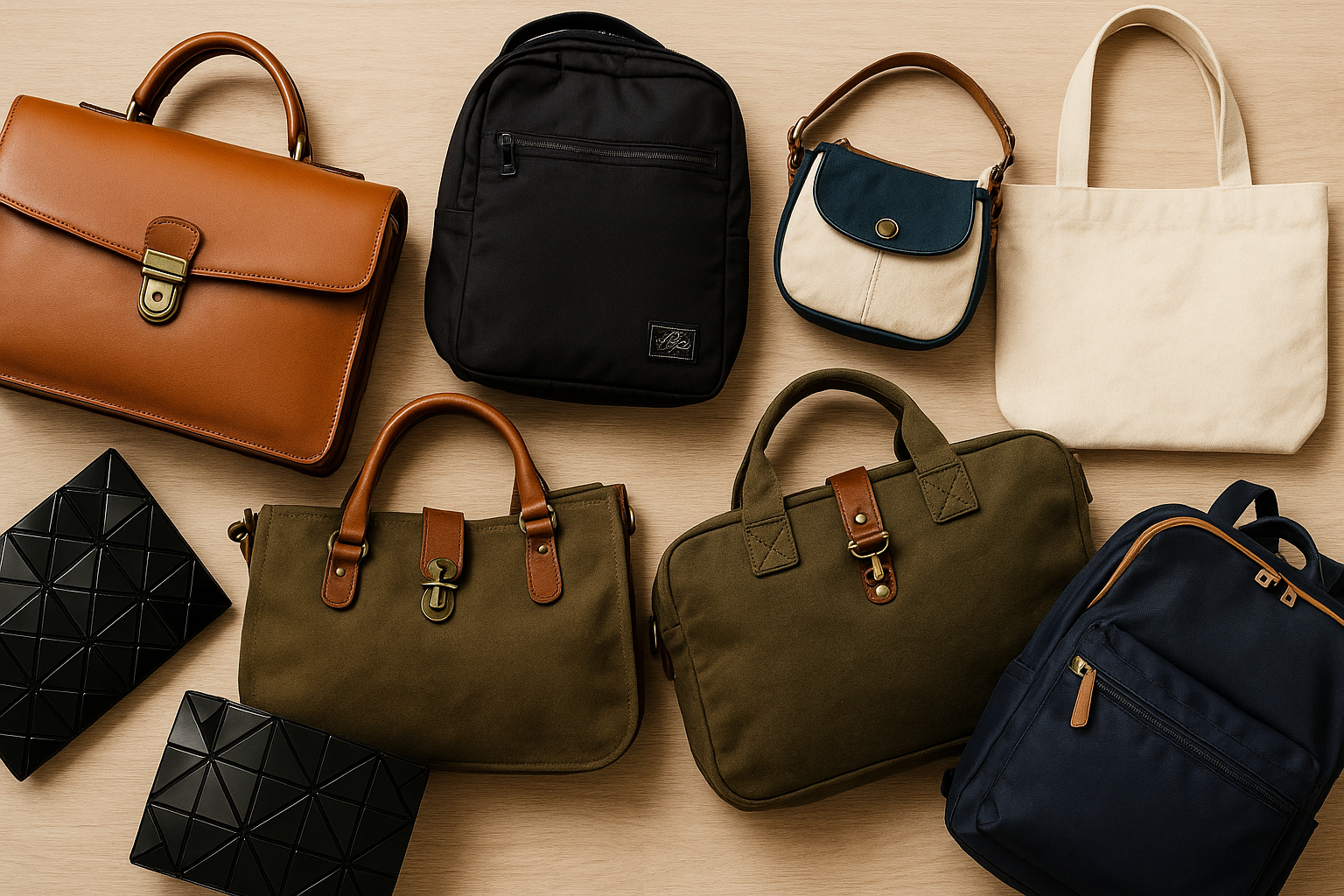
Japanese bag brands have gained increasing attention worldwide for their unique balance of design, functionality, and long-term quality. Rather than focusing on loud logos or short-lived trends, many Japanese brands emphasize thoughtful construction, practical use, and materials that age beautifully over time.
For international shoppers, travelers, and buyers, Japanese bags offer something distinctive. From refined leather handbags and durable backpacks to innovative designer pieces and traditional canvas bags, Japan’s bag industry covers a wide range of styles—each rooted in careful craftsmanship and everyday usability. If you want to understand the broader cultural background behind these styles, see our guide to types of Japanese bags.
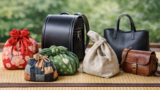
This guide introduces famous and well-regarded Japanese bag brands, organized by category to help you quickly understand what sets them apart. Whether you are looking for a reliable everyday bag, a fashion-forward statement piece, or a well-made product to source for your market, this article provides a clear overview of the Japanese bag landscape.
Some Japanese bag designs have even become global icons, inspiring dedicated followings overseas. Where deeper exploration is needed—such as iconic series and Japan-exclusive models—we’ll guide you to detailed articles that focus on those specific brands and designs.
- What Are Japanese Bag Brands?
- Why Japanese Bag Brands Stand Out Globally
- Major Types of Japanese Bag Brands
- Japanese Backpack & Functional Bag Brands
- Japanese Designer & Fashion Bag Brands
- Japanese Canvas & Traditional Material Bags
- Famous Japanese Bag Brands to Know
- Iconic Japanese Bag Designs Loved Worldwide
- How to Choose the Right Japanese Bag Brand
- Where to Buy Japanese Bag Brands
- Final Thoughts on Japanese Bag Brands
What Are Japanese Bag Brands?
Japanese bag brands are handbag, backpack, and accessory makers that originate in Japan and are known for their focus on practical design, careful construction, and long-term usability. Rather than emphasizing bold logos or fast-changing trends, many Japanese brands prioritize how a bag functions in everyday life.
A key characteristic is attention to structure—such as pocket layout, strap balance, and durability—resulting in bags that feel intuitive and reliable. Japanese bag brands range from artisan leather workshops to functional backpack makers, with products either made in Japan or designed in Japan under strict quality standards.
Why Japanese Bag Brands Stand Out Globally
Japanese bag brands stand out globally because they are designed around real-life use rather than seasonal fashion trends. Many brands begin with everyday scenarios—commuting, travel, work, and movement—and build their designs from how a bag should function in those moments.
One defining strength is structural precision. Japanese bag makers pay close attention to pattern-making, weight distribution, strap balance, and opening mechanisms. This results in bags that hold their shape, feel comfortable to carry, and remain reliable even with daily use.
Another factor is the choice of materials. Instead of chasing novelty, Japanese bag brands often select leather, nylon, and canvas for their durability and aging potential. Over time, these materials develop character, reinforcing the idea of long-term ownership rather than disposable fashion.
Japanese bag brands are also known for quiet design identity. Rather than relying on large logos, they express individuality through form, texture, and proportion. This understated approach translates well across cultures and makes Japanese bags easy to integrate into wardrobes worldwide.
Together, these qualities—function-driven design, structural care, durable materials, and subtle aesthetics—explain why Japanese bag brands continue to gain trust and recognition in international markets.
Major Types of Japanese Bag Brands
Japanese bag brands can be broadly grouped by material, function, and design approach. Understanding these categories makes it easier to navigate Japan’s diverse bag market and identify brands that match your lifestyle, taste, or intended use.
Below are the main types of Japanese bag brands commonly sought by international shoppers and buyers. If you are looking for traditional Japanese bag styles such as kinchaku, furoshiki, komebukuro, or randoseru, start with our guide to types of Japanese bags.
Japanese Leather Bag Brands
Japanese leather bag brands are widely respected for their craftsmanship, material quality, and understated design. Rather than chasing trends, these brands focus on leather that ages beautifully and construction that supports long-term daily use. Below are some of the most representative Japanese leather bag brands known both domestically and overseas.
Tsuchiya Kaban

Tsuchiya Kaban began as a workshop crafting Japan’s traditional school randoseru bags. Today, the brand is synonymous with quiet luxury: understated lines, flawless finishing, and a soft leather that feels alive in your hands. Each piece is handcrafted by expert artisans who train for years before mastering the brand’s precise standards.
International customers appreciate Tsuchiya Kaban because its bags rival European luxury houses in craftsmanship—yet maintain a refreshingly modest ethos. They embody the Japanese belief that true value lies in longevity, not trend cycles.
Official Website: https://tsuchiya-kaban.jp/

GANZO

Widely regarded as one of Japan’s most prestigious men’s leather brands, GANZO is a favorite among purists. The brand uses exceptional materials such as full-grain leather, shell cordovan, and high-quality Italian hides. GANZO bags and wallets are designed to mature beautifully, developing a rich patina that reflects the personality of their owner.
International buyers appreciate GANZO for its reliability and its universally appealing, timeless silhouettes. In a global market saturated with logo-heavy products, GANZO offers a refreshing return to material honesty.
Official Website: https://www.ganzo.ne.jp/

Kitamura

Founded in Yokohama in 1882, Kitamura is beloved for its softly structured designs and feminine elegance. The brand’s signature “K” logo carries a nostalgic charm, but it’s the bags’ approachable luxury—high-quality yet friendly—that resonates with both Japanese and international shoppers.
Travelers often gravitate toward Kitamura’s tote bags and shoulder bags as stylish everyday companions. Buyers appreciate that Kitamura maintains a clear, consistent design identity that appeals widely across age groups.
Official Website: https://www.motomachi-kitamura.com/
![ショルダーバッグ R-0702 Kitamura キタムラ バッグ ショルダーバッグ ブルー ワインレッド グリーン レッド ベージュ ブラック ネイビー パープル【先行予約】*【送料無料】[Rakuten Fashion]](https://thumbnail.image.rakuten.co.jp/@0_mall/motomachi-kitamura/cabinet/item/080/dn0080-02_1.jpg?_ex=128x128)
genten

genten stands out for one simple philosophy: “Think of the Earth.” The brand commits to using vegetable-tanned leather and natural materials, focusing on sustainable manufacturing long before eco-consciousness became mainstream.
Its bags exude a warm, earthy beauty that feels organic yet refined—aesthetic qualities that appeal strongly to European and North American consumers. For buyers focused on sustainable retail, genten offers a compelling narrative backed by quality craftsmanship.
Official Website: https://www.genten.jp/
HERZ

HERZ is the rugged craftsman of this list—authentic, handmade, and delightfully unpolished in the best possible way. Every HERZ bag is produced in-house at one of the brand’s workshops across Japan, and many items can be made to order. Thick vegetable-tanned leather, solid brass fittings, and structured silhouettes make HERZ bags instantly recognizable.
Global enthusiasts value HERZ for its personality. These bags don’t just age—they evolve, building a visible history of adventures and everyday use.
Official Website: https://www.herz-bag.jp/
These Japanese leather bag brands showcase the country’s diverse approach to leather craftsmanship—from refined elegance to robust, workshop-made designs. In the next section, we’ll explore Japanese backpack and functional bag brands, where performance materials and everyday usability take center stage.
![ダレスバッグ リュック ビジネスリュック メンズ レディース 本革がま口 リュック 3WAY 革 栃木レザー ブランド ポルコロッソ ドクターバッグ ダレスバック 日本製 自立 1泊 出張 通勤 ショルダーバッグ 大きめ レザー ダレスリュック ビジネスバッグ パソコン PC [nouki3]](https://thumbnail.image.rakuten.co.jp/@0_mall/porco-rosso/cabinet/porcorosso/10282221/prc-bu-66-a4e-a-1.jpg?_ex=128x128)
Japanese Backpack & Functional Bag Brands
Japanese backpack and functional bag brands are highly regarded for their durability, lightweight construction, and practical design. These brands are often developed around commuting, travel, and urban lifestyles, where comfort, storage efficiency, and long-term reliability are essential.
Below are representative Japanese brands known internationally for functional backpacks and everyday utility bags.
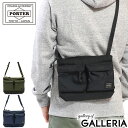
PORTER / Yoshida Kaban

PORTER is one of the most internationally recognized Japanese bag brands, known for its exceptional stitching, lightweight feel, and long-lasting materials. The brand’s bags are designed to fit seamlessly into daily life, from commuting to travel, without sacrificing durability.
Overseas, PORTER is especially admired for its consistent quality and iconic collections such as TANKER, which blends military inspiration with refined functionality.
Official Website: https://www.yoshidakaban.com/
master-piece

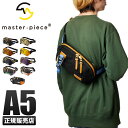
master-piece is a Japanese backpack brand that combines technical performance with modern, street-influenced design. Using materials like Cordura® fabric and waterproof coatings, its bags are built for active urban use.
International buyers are drawn to master-piece for its bold color combinations, functional details, and versatility across casual and professional settings.
Official Website: https://master-piece.co.jp/
anello

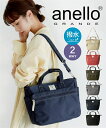
anello gained global popularity through its signature doctor-style backpack, recognized for its wide-opening structure and lightweight construction. The brand offers practical designs at accessible price points, making it especially popular among travelers.
For overseas markets, anello is valued for its broad appeal, consistent demand, and user-friendly designs suited for everyday use.
Official Website: https://www.anello.jp/
These Japanese backpack and functional bag brands highlight Japan’s strength in utility-driven design—bags that prioritize comfort, durability, and ease of use. Next, we’ll look at Japanese designer and fashion bag brands, where creativity and visual impact take the lead.
Japanese Designer & Fashion Bag Brands
Japanese designer and fashion bag brands approach bags as expressive design objects, blending functionality with strong visual identity. Rather than following seasonal trends alone, these brands often experiment with form, structure, and materials, creating bags that stand out globally while remaining practical for everyday use.
BAO BAO ISSEY MIYAKE

BAO BAO ISSEY MIYAKE is one of the most iconic Japanese designer bag brands recognized worldwide. Defined by its signature geometric tile structure, each bag flexes and reshapes with movement, creating a dynamic silhouette that feels both architectural and wearable.
Internationally, BAO BAO is admired for its instantly recognizable design and strong brand identity. The bags appeal across generations and markets, performing especially well among fashion-conscious travelers and global retailers looking for distinctive Japanese design pieces.
Official Website: https://www.isseymiyake.com/

This category highlights how Japanese bag brands can transcend function to become design icons. Next, we’ll explore Japanese canvas and traditional material bags, which showcase regional craftsmanship and time-honored materials.
Japanese Canvas & Traditional Material Bags
Japanese canvas and traditional material bag brands highlight a different side of Japan’s craftsmanship—one rooted in regional industry, durability, and everyday practicality. Rather than luxury or trend-driven design, these bags emphasize strength, texture, and materials that develop character through use.
Canvas bags in particular are valued for their balance of toughness and simplicity, making them popular among travelers and users who prefer natural materials and understated aesthetics.
Kurashiki Canvas

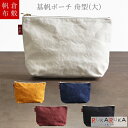
Kurashiki Canvas refers to bags made using high-quality canvas produced in Kurashiki City, Okayama Prefecture—an area long regarded as the heart of Japan’s canvas manufacturing. The region’s canvas is known for its exceptional durability, dense weave, and ability to age beautifully over time.
Bags made with Kurashiki canvas are often simple in design, allowing the material itself to stand out. Internationally, they appeal to buyers seeking authentic Japanese craftsmanship, natural textures, and products with a clear cultural and regional story.
Website: https://www.kurashikihampu.com/
Japanese canvas and traditional material bags offer a meaningful alternative to leather and synthetic options. They reflect Japan’s respect for material heritage and regional expertise—qualities that resonate strongly with users who value authenticity and long-term use.
Famous Japanese Bag Brands to Know
If you’re new to Japanese bag brands and want to remember just a few key names, the brands below are widely recognized both in Japan and overseas. They represent different categories—from leather craftsmanship to functional design and fashion-forward innovation—and serve as a reliable starting point.
- Tsuchiya Kaban
A high-end leather bag brand known for refined design, meticulous craftsmanship, and long-term durability. Often compared to European luxury brands for quality, but with a distinctly understated Japanese aesthetic. - PORTER
One of Japan’s most iconic functional bag brands, especially famous for lightweight nylon backpacks and everyday bags designed for commuting and travel. - anello
Best known for its doctor-style backpack, anello offers practical, affordable designs that have become especially popular among international travelers. - BAO BAO ISSEY MIYAKE
A globally recognized designer bag line featuring geometric, flexible structures. BAO BAO is often seen as a symbol of modern Japanese design innovation.
These brands are frequently searched, widely available, and trusted for consistent quality—making them ideal entry points into the world of Japanese bag brands.
Iconic Japanese Bag Designs Loved Worldwide
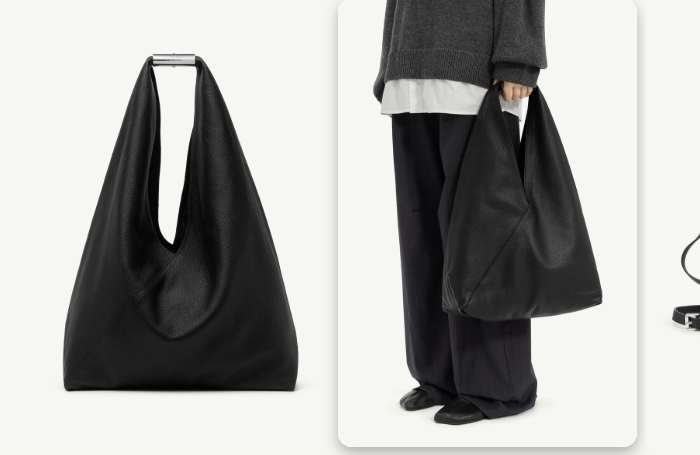
Some Japanese bag designs go beyond brand recognition and become global icons. One of the most searched examples is the “Japanese Bag” design popularized by MM6 Maison Margiela.
The MM6 Japanese Bag has gained worldwide attention for its minimalist, origami-inspired shape and versatile sizing options. While the design draws inspiration from Japanese aesthetics, it has developed its own international identity—leading to a large number of searches focused specifically on materials, sizes, and variations.

Although often associated with Japanese aesthetics, MM6 Maison Margiela is not a Japanese brand but a Paris-based fashion label inspired by Japanese design concepts.
How to Choose the Right Japanese Bag Brand
With so many Japanese bag brands available, choosing the right one depends on how and where you plan to use the bag. Rather than focusing on brand names alone, it helps to consider material, purpose, and production background.
Choose by Material
- Leather bags are ideal if you value durability, aging, and long-term ownership. Japanese leather brands often prioritize subtle design and careful construction over trend-driven aesthetics.
- Nylon and technical fabrics are best suited for commuting and travel. These materials keep bags lightweight while offering water resistance and strength.
- Canvas bags appeal to users who prefer natural textures and a more casual, lifestyle-oriented look.
Choose by Lifestyle and Use
- For daily work and commuting, backpacks and structured totes with thoughtful pocket layouts work best.
- For travel, lightweight backpacks or crossbody bags designed for long wear are more comfortable.
- For fashion-focused use, designer bags with distinctive forms offer visual impact while remaining functional.
Made in Japan vs Designed in Japan
Some Japanese bag brands are fully made in Japan, often in small workshops or domestic factories. Others are designed in Japan and produced overseas under strict quality control.
Both approaches can deliver excellent quality—the key difference lies in craftsmanship style, pricing, and production scale.
Understanding these factors will help you narrow down brands that align with your priorities rather than simply following popularity.
Where to Buy Japanese Bag Brands
Japanese bag brands can be found through a mix of domestic stores, international retailers, and Japan-only channels. Where you buy often depends on availability, pricing, and whether you are purchasing for personal use or business purposes.
Buying Japanese Bags Outside Japan
Well-known brands such as PORTER, BAO BAO ISSEY MIYAKE, and anello are available through select overseas retailers and online stores. However, selection may be limited, and prices can be higher due to import costs.
Buying Japanese Bags in Japan
Many Japanese bag brands offer their widest selection only in Japan, including limited colors, seasonal models, and Japan-exclusive lines. For travelers, visiting brand stores is often the best way to experience the full range.
For overseas buyers, language barriers, distribution structures, and wholesale conditions can make direct purchasing challenging.
Sourcing Japanese Bag Brands for Overseas Markets
If you are looking to source Japanese bags for a store, online shop, or boutique, working with a Japan-based sourcing partner can simplify the process. This includes brand research, wholesale availability checks, communication with manufacturers, and logistics coordination.
👉 If you need support sourcing Japanese bag brands directly from Japan, you can explore my services on Fiverr, where I assist international buyers with product research and sourcing from within Japan.
Final Thoughts on Japanese Bag Brands
Japanese bag brands offer a rare combination of design clarity, practical function, and long-term reliability. From leather craftsmanship and functional backpacks to innovative designer pieces and traditional materials, each category reflects a different aspect of Japanese manufacturing culture.
Whether you are a traveler searching for a meaningful purchase or an international buyer evaluating products for your market, understanding how Japanese bag brands are structured—and how to choose among them—makes the experience far more rewarding.
This guide is designed to serve as a starting point. From here, you can explore specific categories, dive deeper into iconic designs, or move on to detailed brand-focused articles that examine individual bags and collections more closely.


コメント