


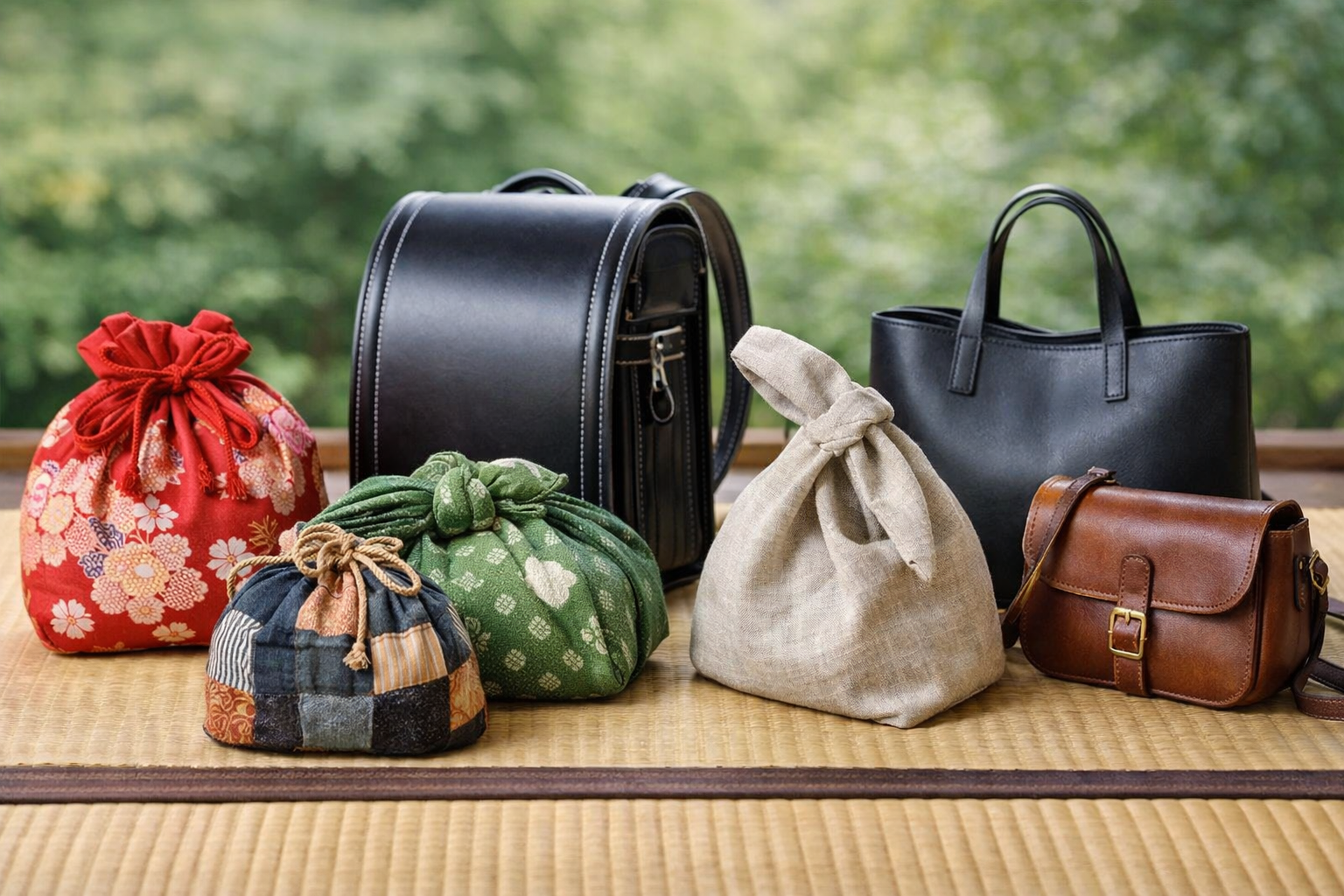
When people think of Japanese bags, they often picture well-made leather brands, functional backpacks, or minimalist everyday carry. But Japan’s bag culture goes much deeper than that. Alongside modern brands, there is a long tradition of carrying, wrapping, storing, and presenting objects with care — from kinchaku drawstring pouches and furoshiki wrapping cloths to komebukuro rice bags and the iconic randoseru school backpack.
This is what makes Japanese bags so interesting: they are not only fashion items or practical accessories, but also reflections of daily life, craftsmanship, ritual, and design philosophy. In this guide, we look at the main types of Japanese bags, how they developed, and why they still matter today. If you are also comparing labels and product quality, you can continue with our guide to best Japanese bag brands. And if you want to explore one of Japan’s most distinctive bag categories in depth, see our full randoseru guide.

- What makes Japanese bags distinctive?
- Kinchaku (Japanese Drawstring Bags)
- Furoshiki (Traditional Wrapping Cloths)
- Komebukuro (Japanese Rice Bags)
- Randoseru (Japanese School Backpacks)
- Japanese Knot Bags
- Modern Japanese bag culture
- Buying Japanese Bags: What Travelers and Overseas Buyers Should Know
- Need help sourcing Japanese bags from Japan?
What makes Japanese bags distinctive?
When people search for “Japanese bags,” they often mean one of two things: Japanese bag brands, or bag styles that grew out of Japanese culture. Those are related, but not the same.
What makes Japanese bags especially interesting is that many of them sit at the intersection of function, ritual, and aesthetics. In Japan, carrying is not only about storage. It is also about wrapping, presenting, protecting, and moving objects neatly and efficiently. That is one reason traditional items such as furoshiki still feel relevant today.
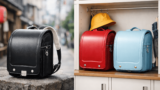
Another uniquely Japanese example is the randoseru, the structured school backpack associated with elementary education in Japan. Over time, it has become one of the clearest symbols of Japanese bag culture, blending durability, tradition, and design.
So when we talk about Japanese bags, we are not only talking about brands or fashion trends. We are also talking about how Japanese culture has shaped the way bags are designed, used, and valued.
Kinchaku (Japanese Drawstring Bags)
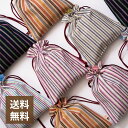
A kinchaku is a traditional Japanese drawstring bag, usually soft, compact, and easy to carry. Historically, it was used to hold small personal items, coins, cosmetics, or daily essentials. It is also closely associated with kimono and yukata styling, where a small drawstring pouch works as both a practical accessory and a visual finishing touch.
Today, kinchaku has evolved far beyond traditional dress. You will see leather kinchaku bags, minimalist nylon versions, and modern shoulder-bag reinterpretations. The appeal is simple: light weight, easy access, and a soft shape that fits contemporary casual wardrobes.

Furoshiki (Traditional Wrapping Cloths)
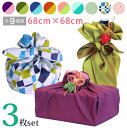
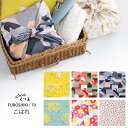
Strictly speaking, furoshiki is not a bag but a wrapping cloth. Still, it belongs in any discussion of Japanese bag culture because it can be tied and folded into a carryable form. It is one of the clearest examples of Japanese design logic: flexible, reusable, and elegant without being complicated.
Today, furoshiki is often appreciated as an eco-friendly alternative to disposable bags. It also reflects a broader Japanese idea that carrying can be adaptable rather than fixed. Depending on the size of the cloth and the tying method, the same piece can be used for shopping, gifting, travel, or storage.
Komebukuro (Japanese Rice Bags)
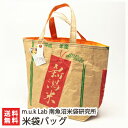
Komebukuro literally means “rice bag.” Traditionally, these cloth bags were used to carry rice, often in contexts linked to offering, gifting, or household use. For readers exploring Japanese textiles or handmade traditions, komebukuro is one of the most interesting examples of how practical storage forms can become culturally meaningful objects.
In modern craft contexts, komebukuro is often connected to patchwork, sashiko-inspired making, and other textile traditions. It may be a niche term compared with randoseru or Japanese knot bags, but it adds depth to any understanding of Japanese bag culture.
Randoseru (Japanese School Backpacks)
Among all Japanese bag types, randoseru is probably the most internationally recognizable traditional-modern hybrid. It is strongly associated with Japanese elementary school life, but it is also admired for its structure, durability, and leather craftsmanship.
For many readers, randoseru is the point where function, design, and culture come together most clearly. It is also one of the few Japanese bag types that has developed a strong identity both inside and outside Japan. If you want a full explanation of its meaning, history, pricing, and premium makers, see our detailed randoseru guide.

Japanese Knot Bags
A Japanese knot bag is a small bag with asymmetrical handles, where one handle slips through the other to close the opening. Compact and easy to carry, it is appreciated for its simple structure and distinctive silhouette.
Today, Japanese knot bags are often reinterpreted in handmade, minimalist, and contemporary fashion contexts. For many readers, they offer an accessible entry point into Japanese-inspired bag design.
Modern Japanese bag culture
Traditional forms still matter, but modern Japanese bag culture is not frozen in the past. Today’s landscape includes several overlapping streams.
One is heritage practicality: durable leather bags, canvas totes, school bags, and utility-driven designs that reflect Japanese attention to detail and daily use.
Another is minimalist reinterpretation: soft shapes, compact proportions, understated branding, and materials chosen for tactile quality rather than obvious status signaling.
A third is brand-led modern design. This is where readers often move from cultural interest to product comparison. If that is what you are looking for, our guide to best Japanese bag brands is the next natural step.
Buying Japanese Bags: What Travelers and Overseas Buyers Should Know
If you are exploring Japanese bags as a traveler, collector, or overseas buyer, it helps to separate your interest into four clear categories.
Traditional Japanese bag styles
These include cultural forms such as kinchaku, furoshiki, komebukuro, and randoseru. In this category, the value is not only in the item itself, but also in its background, meaning, and connection to Japanese daily life and design traditions.
Japanese leather bags
For many overseas buyers, Japanese bags are closely associated with leather craftsmanship, durable construction, and understated design. This category includes everything from structured business bags to premium everyday totes and long-lasting school bags. If your focus is materials, construction, and quiet quality, leather is often the best place to start.
Modern Japanese bag brands
This category includes bags made and sold by Japanese brands, from heritage leather makers to practical everyday labels. If your focus is quality, materials, craftsmanship, or brand comparison, this is usually the most useful direction. For that, you can continue with our guide to best Japanese bag brands.
Japan-inspired fashion bags
Some bags are not traditional Japanese products in a strict sense, but are influenced by Japanese aesthetics, naming, or silhouettes. This category often overlaps with designer fashion and trend-driven shopping.
Understanding these differences makes it easier to search, compare, and buy more confidently. And if you are looking for help finding Japanese bags for retail, gifts, research, or personal shopping, I also offer Japan-based sourcing support for overseas buyers through my Fiverr service.
Need help sourcing Japanese bags from Japan?
If you are looking for Japanese bags for your store, brand research, gifts, or personal buying, I offer Japan-based sourcing support for overseas buyers. That includes product research, brand suggestions, store guidance, and help finding items that match your budget and goals.
You can learn more through my Fiverr Japan sourcing service here:


コメント