


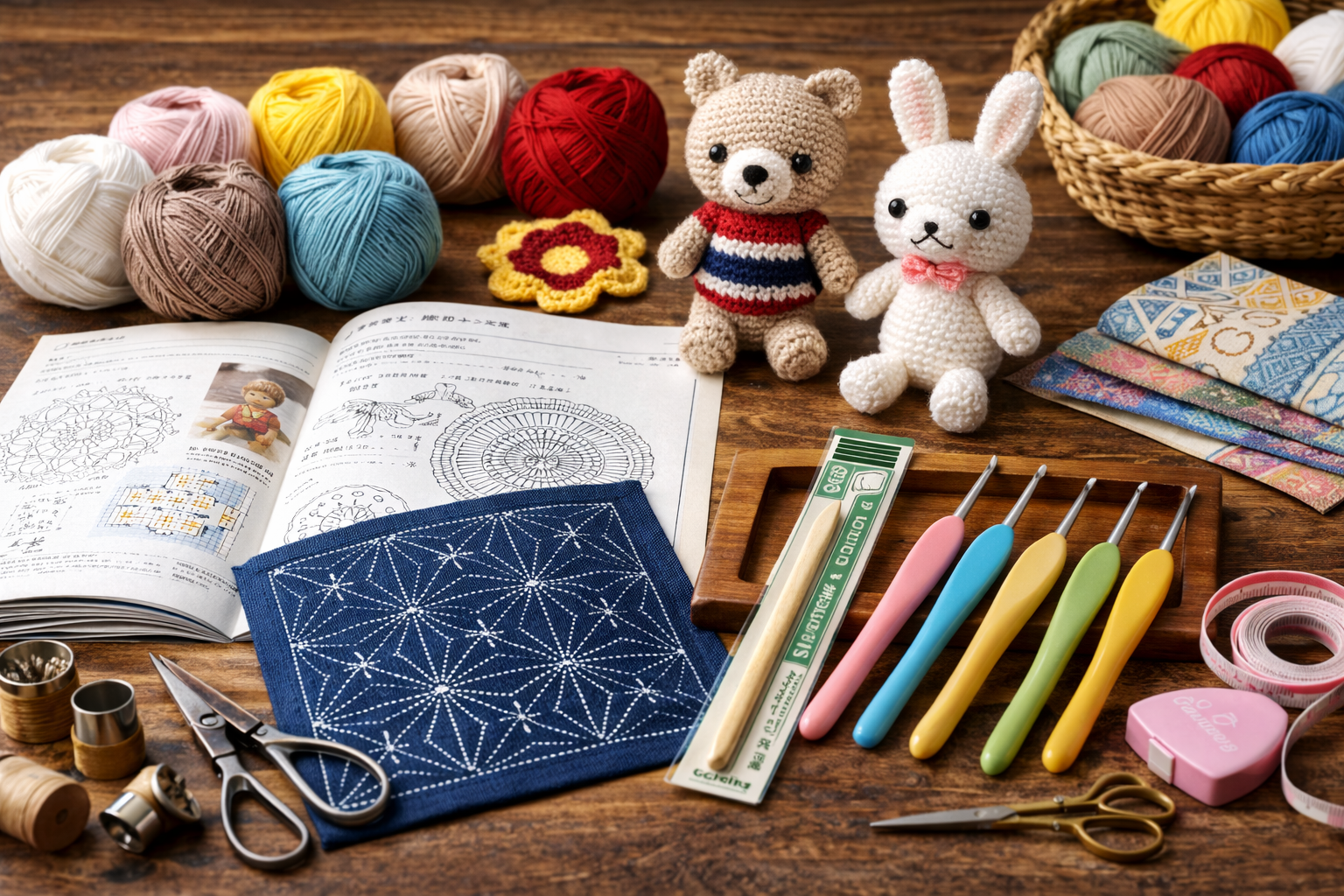
If you’re searching “crochet in Japan” or “Japanese crochet patterns”, you’re probably after one of three things: (1) why Japanese crochet books feel so clear and diagram-driven, (2) where Japan’s iconic amigurumi style fits into the global crochet scene, and (3) what Japanese makers actually buy—hooks, yarn, notions, and the best places to shop in Japan. This guide covers all of that, plus practical buying tips for overseas makers.
If you’re building a wider Japan craft reading list, start with the hub: Japanese Craft: A Complete Guide. And if you’re planning to shop in Tokyo for yarn, tools, and notions, save this itinerary: Tokyo Craft Shopping: Yuzawaya + Nippori.
- Is Crochet Popular in Japan?
- What Makes Japanese Crochet “Different”?
- The #1 Global Export: Amigurumi (Japanese Crochet Plush)
- How to Read Japanese Crochet Patterns (Charts & Symbols)
- Japanese Crochet Tools: Hooks, Notions, and Why Quality Matters
- Japanese Yarn & Materials: What to Look For
- Where to Buy Crochet Supplies in Japan (Stores + Brands)
- Buying from Overseas: The Common Friction Points
- Want Help Sourcing Crochet Supplies from Japan?
Is Crochet Popular in Japan?
Crochet is a major part of Japan’s broader handcraft culture, especially among makers who enjoy small-scale projects, detailed finishing, and visually structured patterns. One of the most recognizable “crochet-from-Japan” categories globally is amigurumi—small crocheted/knitted stuffed figures that became widely popular outside Japan in the 2000s.
If you also knit (or your readers do), this pairs perfectly with: Knitting in Japan.
What Makes Japanese Crochet “Different”?
When people say they love “Japanese crochet,” they usually mean two things:
- Diagram-first patterns
Japanese crochet books often rely heavily on charts/diagrams rather than long text instructions. The appeal is that diagrams show the structure at a glance—great for visual learners and for complex motifs. - Precision and consistency
Japanese craft publishing tends to be meticulous about layout, stitch placement, and repeat clarity—especially in motif collections and garment patterns. (This isn’t exclusive to Japan, but it’s a common reason international makers seek Japanese books.)
If your audience is coming from other Japanese textile crafts, link them across here: Sashiko for Beginners.
The #1 Global Export: Amigurumi (Japanese Crochet Plush)
Amigurumi is widely described as a Japanese craft of knitting/crocheting small stuffed creatures, and it’s strongly associated with kawaii aesthetics. Many sources note it gained large international visibility in the early 2000s.
If you want crochet content that ranks and converts, amigurumi is the most “Japan-recognizable” angle for global audiences.
For another highly giftable Japanese thread craft (great for related posts), see: Japanese Temari Ball Explained.

How to Read Japanese Crochet Patterns (Charts & Symbols)
Good news: crochet charts are often described as a “universal language” because symbols are standardized internationally, and Japanese patterns frequently include symbol keys.
Practical tips for beginners:
- Start with patterns that include a legend/key (many Japanese books do).
- Learn the common symbols first (chain, single crochet, double crochet) and you’ll unlock a lot of diagrams quickly.
- Expect Japanese notation for stitch names (and sometimes metric sizing), but the diagram reduces language barrier.
If you like this chart-driven style, you’ll probably also love Japanese stitch dictionaries in knitting: Knitting in Japan.
Japanese Crochet Tools: Hooks, Notions, and Why Quality Matters
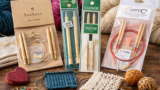
Japan has several well-known craft tool makers. For example, Clover is a Japanese manufacturer with a global presence and a broad range of knitting/crochet and sewing tools.
What to look for in hooks:
- Comfortable grip (especially if you crochet for long sessions)
- Smooth finish (reduces snagging)
- Consistent sizing (helps maintain gauge)
If your readers are “tool nerds,” this comparison article is an easy cross-link (same logic, different craft): Japanese Knitting Needles Comparison.
Japanese Yarn & Materials: What to Look For
If you’re exploring “yarn culture” in Japan, Hamanaka is a major Japanese yarn and craft materials company (Kyoto-based) with product lines and “Made in Japan quality” messaging on their craft site.
Shopping cues that help:
- Fiber content (cotton for summer accessories, wool blends for winter wear)
- Twist and ply (affects stitch definition—important for textured motifs)
- Intended use (amigurumi often prefers yarn that holds shape cleanly)
If your crochet projects include gift wrapping or paper craft presentation, connect readers here: Washi Paper Crafts in Japan.
Where to Buy Crochet Supplies in Japan (Stores + Brands)
A reliable “start here” list:
- Major craft retailers (large selection, good for browsing multiple brands in one trip)
- Brand official sites (best when you want consistent SKUs and fewer shopping mistakes)
- Clover (tools)
- Hamanaka (yarn/materials)
If you’re shopping in Tokyo, this route is built for makers (tools + fabric district logic):
Tokyo Craft Shopping: Yuzawaya + Nippori.
If you’re building a curated kit (hooks + yarn + book + notions), you may still end up buying from multiple places—this is where consolidation becomes useful.
Buying from Overseas: The Common Friction Points
If you’re outside Japan, these issues come up a lot:
- Japanese-only checkout/payment
- Limited international shipping options
- Inventory spread across brand sites + retailers + specialty shops
- Confusing variants (colorways, lot numbers, seasonal lines)
A practical fix: decide your kit first (hook size(s) + yarn type + notions), then buy from 1–2 sources—or consolidate shipments if you’re mixing brands and stores.
If you’re also shopping for sashiko supplies (another high-demand Japanese textile craft), use this checklist: Sashiko Supplies Guide.
Want Help Sourcing Crochet Supplies from Japan?
If you want to buy Japanese crochet hooks, yarn, books, or curated kits—especially for bulk orders or multi-store bundles—my Fiverr Japan Sourcing Gig can help with:
- purchasing from Japanese shops
- consolidating multiple orders into one shipment
- basic inspection (correct items/colors/quantities)
- international shipping coordination

コメント