

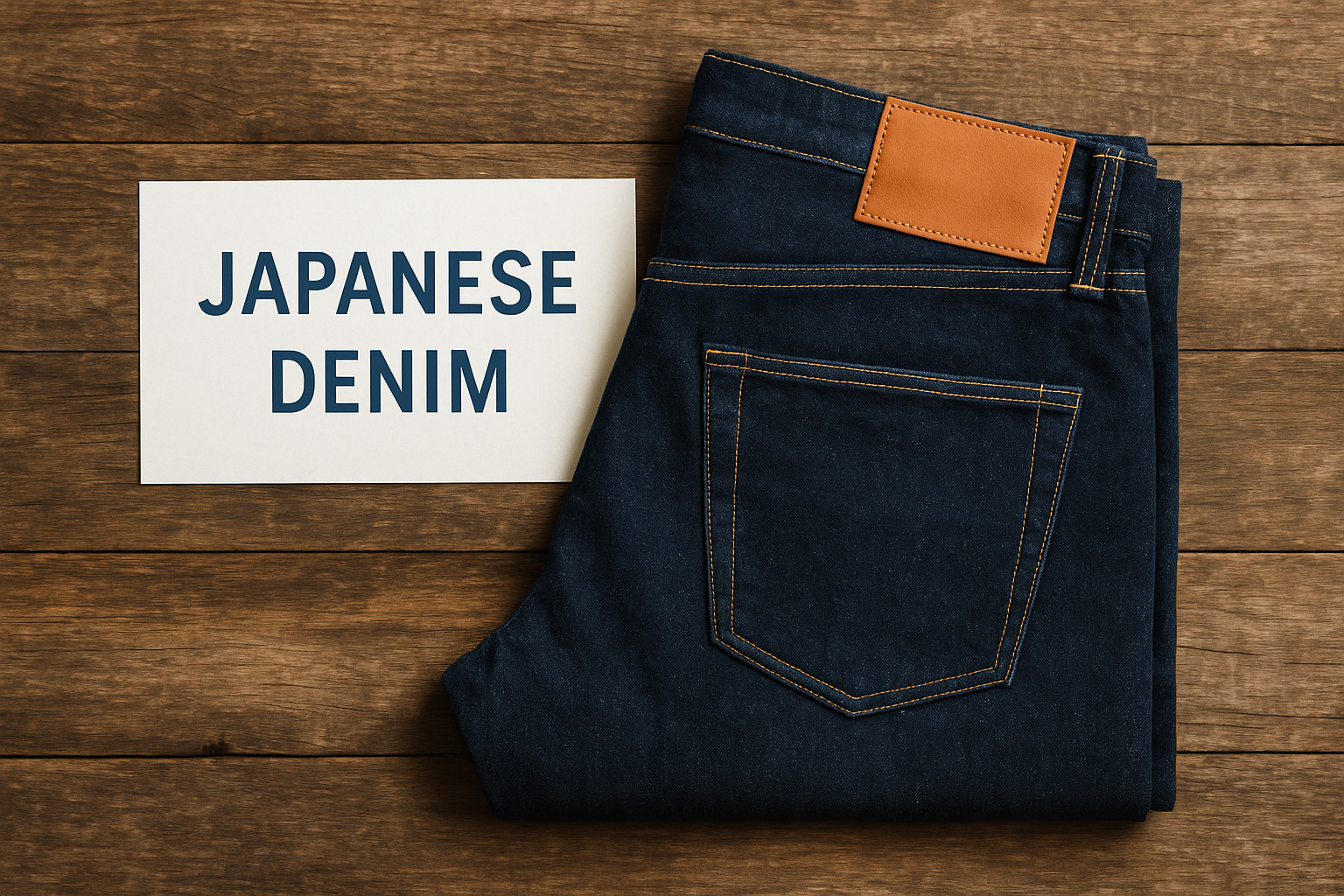
Japanese denim has become a global icon—admired by collectors, stylists, and everyday denim lovers. At first glance, jeans look simple. But Japanese-made denim often carries a depth that’s hard to replicate elsewhere: carefully chosen cotton, slow-woven fabrics, traditional indigo dyeing, and an obsessive attention to sewing and finishing.
Much of Japan’s modern denim culture is centered around Kojima (Okayama), where vintage reproduction techniques evolved into one of the world’s most sophisticated denim industries. The best part: these jeans don’t just wear—they age, developing unique fades, texture, and character over time.
In this guide, you’ll learn what “Japanese denim” really means, why it’s prized, how to choose your first (or next) pair, and 10 of the most influential Japanese denim brands to know.

- What Is Japanese Denim?
- Why Japanese Denim Is Valued Worldwide
- Quick Comparison Table (Price / Weight / Vibe / Best For)
- Top 10 Japanese Denim Brands
- 1. Momotaro Jeans — The Symbol of Modern Japanese Denim
- 2. Pure Blue Japan — For Those Who Love Texture and Character
- 3. Iron Heart — The Heavyweight Champion
- 4. Warehouse & Co. — Vintage Reconstruction Specialists
- 5. Studio D’Artisan — A Pioneer of Japanese Replica Denim
- 6. Fullcount — Soft, Comfortable, Everyday Japanese Denim
- 7. Samurai Jeans — High-Contrast, Heavy-Duty Denim
- 8. Resolute — Pure, Minimal, Timeless Denim
- 9. Japan Blue Jeans — Accessible and Fabric-Focused
- 10. KAPITAL — Art, Craft, and Distinctive Expression
- How to Choose the Right Japanese Denim Brand
- Where to Buy Japanese Denim
- Where to Buy Japanese Denim
- FAQ
- Want help sourcing Japanese denim?
What Is Japanese Denim?

“Japanese denim” usually refers to denim fabric and jeans made in Japan, often with heritage methods (like vintage shuttle looms) and detailed craftsmanship. Not every pair is the same, so it helps to understand a few key terms.
What is Japanese selvedge denim (shuttle loom)?
Selvedge denim is denim woven on shuttle looms, older machines that weave slowly and create a clean, finished edge (the “selvedge”). Because production is slower and typically done in smaller batches, selvedge denim often has:
- Richer texture (slub, unevenness, “character”)
- Stronger structure and durability
- More distinctive aging and fades with wear
Selvedge isn’t automatically “better” for everyone—but it’s a common marker of premium, craft-focused denim.
👇New to the terms? Read this first: Selvedge vs Raw Denim (What’s the Difference?)
What is raw denim?
Raw denim (also called “dry” denim) is denim that hasn’t been pre-washed or heavily processed. It starts stiffer, but it’s loved because it:
- Molds to your body with wear
- Creates personalized fades (whiskers, honeycombs, etc.)
- Often lasts longer if cared for well
If you want dramatic fades and a “my jeans, my story” feel, raw denim is the classic route.
Why is Japanese denim expensive?
Japanese denim can be expensive for practical reasons:
- Materials: high-quality cottons (sometimes specialty cottons like Zimbabwe cotton)
- Dyeing: deep indigo methods like rope dyeing (and occasionally natural indigo)
- Weaving: slow production on shuttle looms; higher reject rates; small-batch runs
- Sewing: precise construction details (chain-stitch hems, reinforced stress points, premium hardware)
You’re often paying for labor, time, and expertise—plus fabric development that can take years.
Why Japanese Denim Is Valued Worldwide
Japanese denim is respected because it blends heritage and innovation:
- Slow-woven selvedge fabrics using vintage shuttle looms
- Deep indigo dyeing such as rope dyeing (sometimes natural indigo)
- Craftsmanship refined over decades, with careful patterning and stitching
- Durability and long-term aging that rewards frequent wear
- A culture of fabric experimentation (slub, nep, different yarns) with traditional techniques
Japanese denim isn’t just clothing—it’s a “grow-with-you” product that becomes more beautiful with time.
Quick Comparison Table (Price / Weight / Vibe / Best For)
| Brand | Price Range (JPY) | Typical Weight Feel | Style / Vibe | Best For |
|---|---|---|---|---|
| Momotaro Jeans | ¥25,000–¥40,000 | Mid–heavy | Modern heritage, iconic details | First serious Japanese denim |
| Pure Blue Japan | ¥28,000–¥35,000 | Mid–heavy | High texture, expressive fabric | Texture lovers, unique fades |
| Iron Heart | ¥25,000–¥40,000 | Heavy (21oz+) | Rugged, built-for-wear | Heavyweight fans, durability |
| Warehouse & Co. | ¥25,000–¥35,000 | Classic | Vintage repro authenticity | Vintage Levi’s-style fans |
| Studio D’Artisan | ¥22,000–¥30,000 | Classic–mid | Heritage with playful identity | Classic with personality |
| Fullcount | ¥25,000–¥30,000 | Mid | Soft, comfort-first | Easy break-in, daily wear |
| Samurai Jeans | ¥25,000–¥35,000 | Heavy-ish | Bold details, dramatic fades | High-contrast fades |
| Resolute | ¥25,000–¥30,000 | Classic | Clean, minimalist | Timeless fit & simplicity |
| Japan Blue Jeans | ¥15,000–¥25,000 | Mid | Modern value, fabric-focused | Best entry value |
| KAPITAL | ¥20,000–¥50,000 | Varies | Craft/art, experimental | Statement denim, fashion crowd |
Top 10 Japanese Denim Brands
1. Momotaro Jeans — The Symbol of Modern Japanese Denim

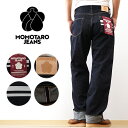
Momotaro Jeans, based in Kojima, is one of the most recognized Japanese denim brands worldwide. With its signature GTB stripes and deep indigo tone, Momotaro represents uncompromising craftsmanship and authenticity—often a benchmark for first-time buyers.
- Features: deep indigo, Kojima production, GTB battle stripes
- Price Range: ¥25,000–¥40,000
- Popularity: Very strong in the US & Europe
- Best For: A true introduction to Japanese denim
- Official Site: https://momotarojeans.com

2. Pure Blue Japan — For Those Who Love Texture and Character
Pure Blue Japan is known for its distinctive slubby texture and subtle leaf embroidery. The brand’s fabrics are highly expressive and loved by denim fans who want jeans that look and feel alive.
- Features: heavy slub texture, leaf logo, expressive fades
- Price Range: ¥28,000–¥35,000
- Popularity: Strong in Europe & North America
- Best For: Texture-driven denim enthusiasts
- Official Site: https://www.purebluejapan.jp/

3. Iron Heart — The Heavyweight Champion

Iron Heart built its reputation with ultra-heavyweight denim—21oz and beyond—originally designed for motorcyclists. It’s extremely durable and ages beautifully with hard wear, softening and molding to the body over time.
- Features: 21–25oz denim, rugged build, exceptional durability
- Price Range: ¥25,000–¥40,000
- Popularity: Extremely strong in the US & UK
- Best For: Heavy denim enthusiasts
- Official Site: https://www.ironheart.jp/

4. Warehouse & Co. — Vintage Reconstruction Specialists
Warehouse is devoted to recreating 1940s–60s American denim with remarkable accuracy. Everything from yarn behavior to fading is researched and reproduced for a truly vintage feel.
- Features: meticulous vintage reproduction, authentic fabric behavior
- Price Range: ¥25,000–¥35,000
- Popularity: Very strong among vintage collectors
- Best For: Vintage Levi’s-style denim fans
- Official Site: https://www.ware-house.co.jp/
![WAREHOUSE & CO. / 別注 Lot.1105 BEAMS PLUS ビームス メン パンツ ジーンズ・デニムパンツ ブルー【送料無料】[Rakuten Fashion]](https://thumbnail.image.rakuten.co.jp/@0_mall/beams/cabinet/item/500/cw1500-08_1.jpg?_ex=128x128)
5. Studio D’Artisan — A Pioneer of Japanese Replica Denim
Founded in 1979, Studio D’Artisan is one of the earliest names in Japan’s replica denim scene. It combines heritage methods with an approachable, playful identity (including the iconic pig logo).
- Features: vintage weaving, heritage roots, easy silhouettes
- Price Range: ¥22,000–¥30,000
- Popularity: Stable in the US & EU
- Best For: Classic denim with personality
- Official Site: http://www.dartisan.co.jp/
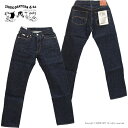
6. Fullcount — Soft, Comfortable, Everyday Japanese Denim

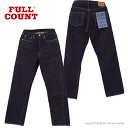
Fullcount is admired for comfort-focused denim—often using Zimbabwe cotton, which can feel soft and breathable compared to stiffer raw denim options.
- Features: soft feel, realistic fades, comfort-driven construction
- Price Range: ¥25,000–¥30,000
- Popularity: Strong in European boutiques
- Best For: People who prioritize comfort
- Official Site: https://fullcount-online.com/collections/jeans
7. Samurai Jeans — High-Contrast, Heavy-Duty Denim
Samurai Jeans mixes thick fabrics, bold fades, and warrior-inspired detailing. Their denim often develops sharp contrast and dramatic wear patterns.
- Features: high-contrast fades, heavyweight options, themed details
- Price Range: ¥25,000–¥35,000
- Popularity: Very strong in the US
- Best For: Intense, dramatic fades
- Official Site: https://www.samurai-jeans.com
8. Resolute — Pure, Minimal, Timeless Denim
Created by Yoshiyuki Hayashi, Resolute is loved for clean silhouettes and a consistent sizing system. It’s focused on long-term wearability, not flashy details.
- Features: slim-clean shape, minimalist design, consistent sizing
- Price Range: ¥25,000–¥30,000
- Popularity: Very strong in Europe
- Best For: Clean, timeless denim
- Official Site: https://www.resolute.jp/

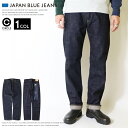
9. Japan Blue Jeans — Accessible and Fabric-Focused
Japan Blue Jeans offers excellent fabric development and modern fits at a more accessible price point—great as a first Japanese pair.
- Features: fabric development strength, modern fits, strong value
- Price Range: ¥15,000–¥25,000
- Popularity: Strong in Asia & Europe
- Best For: First-time buyers
- Official Site: https://japanbluejeans.com
10. KAPITAL — Art, Craft, and Distinctive Expression
KAPITAL goes beyond classic jeans, blending Japanese craft with experimental fashion. From BORO-inspired pieces to unusual silhouettes, it has a cult following among artists and style-driven buyers.
- Features: creative treatments, craft aesthetics, bold identity
- Price Range: ¥20,000–¥50,000
- Popularity: Global fashion community & celebrities
- Best For: Unconventional statement denim
- Official Site: https://www.kapital.jp/

How to Choose the Right Japanese Denim Brand
With so many respected makers, choosing can feel overwhelming. Use these steps (from beginner-friendly to enthusiast-level) to narrow it down.
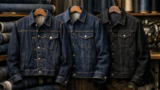
Looking for something easier to style than jeans? Start with outerwear:
👇Japanese Denim Jackets Guide (Type 1/2/3 + fit tips)
1) Decide based on fabric feel and weight
Japanese denim ranges from soft and easy to extremely rugged.
- Soft & wearable early: Fullcount, Japan Blue Jeans
- Balanced classic: Momotaro, Studio D’Artisan, Pure Blue Japan
- Ultra-heavy: Iron Heart, Samurai Jeans
If you want easy break-in, avoid 21–25oz heavyweight denim at first.
2) Think about the fade you want
Different fabrics age very differently.
- Clean, even fading: Resolute, Fullcount
- Strong contrast & bold whiskers: Samurai, Iron Heart
- Texture-heavy, “busy” fades: Pure Blue Japan
Pick the aging personality you want—then choose the brand that matches it.
3) Choose a silhouette that matches your style
Fit matters as much as fabric.
- Slim & minimal: Resolute
- Classic straight: Warehouse, Momotaro
- Modern tapered: Japan Blue Jeans
- Artistic / statement: KAPITAL
Always check brand-specific size charts—Japanese sizing can differ from US/EU.
4) Consider how much maintenance you want
Raw denim typically needs more intention:
- Wash less frequently early on (if you want stronger fades)
- Shape while drying
- Expect stiffness at first
If you want low-maintenance comfort, start with softer options like Fullcount or Japan Blue Jeans.
5) Set a budget that fits your needs
- Entry (¥15,000–¥25,000): Japan Blue Jeans
- Mid (¥25,000–¥30,000): Fullcount, Studio D’Artisan, Resolute
- High (¥30,000–¥45,000+): Momotaro, Iron Heart, KAPITAL
Even the entry tier can outperform many global premium lines.
6) Define what “Japanese denim” means to you
Ask yourself what you’re really buying:
- Heritage & authenticity: Warehouse, Momotaro
- Rugged durability: Iron Heart, Samurai
- Texture & fabric innovation: Pure Blue Japan
- Craft + fashion expression: KAPITAL
Your ideal denim will point you to the right brand.
Where to Buy Japanese Denim
In Japan (Kojima / Tokyo / Osaka)
If you can visit Kojima (Okayama), it’s the most iconic denim destination. You’ll find brand shops, multi-brand retailers, and hemming services in one area—perfect for trying different fits and fabrics in a single day.
In Tokyo and Osaka, focus on:
- Denim specialty stores and select shops (more variety across brands)
- Department stores for certain premium lines
- Trying on multiple fits before buying—Japanese cuts can vary a lot by brand
Shopping tips (especially for travelers):
- Ask about shrinkage (one-wash vs raw) before hemming
- Check if hemming is chain-stitched (many enthusiasts prefer it)
- Buy based on your use-case (daily comfort vs fades vs rugged wear)
Online / International Shipping
If you’re buying from outside Japan (or want more selection), many official brand stores ship internationally, and there are also reputable specialty retailers that focus on Japanese denim.
Best practice:
- Compare size charts carefully (waist + rise + thigh measurements)
- Check whether the pair is raw or one-wash
- Confirm return policy before ordering overseas
Where to Buy Japanese Denim
In Japan (Kojima / Tokyo / Osaka)
If you can visit Kojima (Okayama), it’s the most iconic denim destination. You’ll find brand shops, multi-brand retailers, and hemming services in one area—perfect for trying different fits and fabrics in a single day.
In Tokyo and Osaka, focus on:
- Denim specialty stores and select shops (more variety across brands)
- Department stores for certain premium lines
- Trying on multiple fits before buying—Japanese cuts can vary a lot by brand
Shopping tips (especially for travelers):
- Ask about shrinkage (one-wash vs raw) before hemming
- Check if hemming is chain-stitched (many enthusiasts prefer it)
- Buy based on your use-case (daily comfort vs fades vs rugged wear)
Online / International Shipping
If you’re buying from outside Japan (or want more selection), many official brand stores ship internationally, and there are also reputable specialty retailers that focus on Japanese denim.
Best practice:
- Compare size charts carefully (waist + rise + thigh measurements)
- Check whether the pair is raw or one-wash
- Confirm return policy before ordering overseas
Used & Rare Finds (Mercari Japan)
If you want better prices, discontinued models, or hard-to-find collabs, Japan’s secondhand market is a goldmine—especially Mercari (メルカリ). You can often find gently used or even new-with-tags Japanese denim, sometimes at a fraction of the retail price.
What to check when buying used:
- Exact measurements (waist, rise, thigh, inseam) and whether the jeans are raw or one-wash
- Hemming status (chain-stitch vs standard)
- Fade level, repairs, and hardware condition
- Seller photos (front/back, patch, selvedge ID, hem)
If you’re outside Japan and wondering how to search Mercari effectively and purchase from overseas, I wrote a step-by-step guide here
👇How to Use Mercari Japan from Overseas (Guide + Tips)

FAQ
What is Japanese denim?
Japanese denim typically refers to denim developed and/or produced in Japan—often with slow weaving, deep indigo dyeing, and high-level construction. It’s known for durability and beautiful aging.
What is Japanese selvedge denim?
It’s denim woven on shuttle looms with a finished edge (selvedge). It’s commonly associated with premium, small-batch production and character-rich texture.
What is Japanese raw denim?
Raw denim is unwashed, unprocessed denim. It starts stiff and breaks in with wear, producing personalized fades and long-term character.
Why is Japanese denim so expensive?
Costs often reflect time-intensive weaving, dyeing, small-batch production, premium materials, and careful sewing and finishing.
Which Japanese denim brand is best for beginners?
For the best value entry: Japan Blue Jeans. For a classic benchmark first pair: Momotaro.
Which brands are best for heavyweight denim?
Iron Heart is the heavyweight icon (often 21oz+). Samurai Jeans is also popular for heavy fabrics and dramatic fades.
Where can I buy Japanese denim near me?
If you’re in Japan, specialty stores in Tokyo/Osaka are a good start, and Kojima (Okayama) is the most concentrated denim destination. Outside Japan, check official brand sites and reputable specialty retailers that ship internationally.
Want help sourcing Japanese denim?
If you’re looking to explore Japanese denim brands, compare models, or coordinate purchasing from Japan, I offer a Japan Sourcing Service on Fiverr that supports:
- Brand and model research
- Store list curation (Japan + online)
- Local buying assistance
- Packaging & international shipping
Feel free to reach out if you’d like help discovering or purchasing authentic Japanese denim.

コメント